Poland blocks Estonian volunteers from delivering Humvee to Ukrainian troops
A Humvee belonging to an Estonian charity, meant for Ukrainian soldiers on the Kharkiv front, got stuck at the Polish border due to a new export licensing rule. The rest of the convoy crossed without issue.
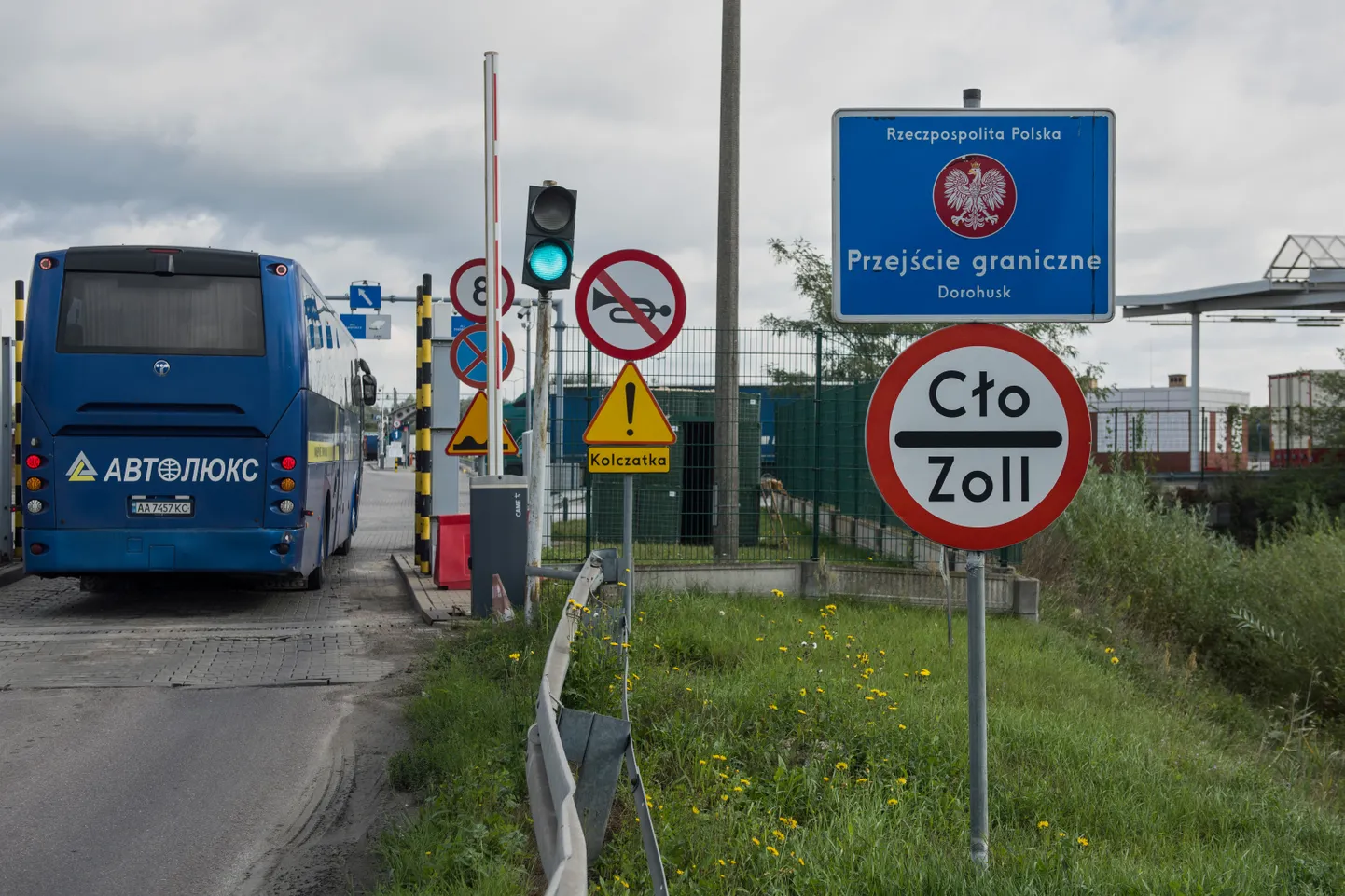
A Humvee owned by the Estonian charity SAB UA, intended for Ukrainian troops fighting on the Kharkiv front, has become stuck at the Polish border. Volunteer Jan Laar told the Estonian outlet Postimees, as cited by "European Pravda", that his vehicle was the only one in the convoy that border guards refused to let through, while the rest of the column crossed without any problems.
According to Laar, the volunteers held both a Estonian Foreign Ministry license authorizing the vehicle's export and a US document confirming the Humvee had been demilitarized. Despite this documentation, Polish authorities stopped the vehicle.
New Polish rules
The holdup stems from a change in Polish legislation introduced this year: in such cases, the export license must now be obtained from Polish authorities themselves, and only a Polish citizen is permitted to apply for it. Laar said the Ukrainian embassy in Poland, including its military attaché, has been assisting with the process, but Polish officials told him the licensing procedure could take up to four months.
Laar noted that Polish bureaucracy is strict, though ordinary civilian vehicles carrying few, fully declared items pass without trouble — difficulties arise only once a case becomes more complex. He added that the attitude of Polish border guards and customs officers toward volunteers helping Ukraine has been good. On his first night at the border crossing, he had to sleep in the Humvee, whose canvas roof leaked in the rain; on subsequent nights, border guards let him stay in the crossing's heated facilities.
It was also noted that since the war began, Latvia has regularly transferred vehicles to Ukraine that were confiscated from drunk drivers or seized in other criminal cases. Earlier this year, the transfer of 21 vehicles confiscated from intoxicated drivers was announced, while more than 600 such vehicles were handed over in 2024.