Study: Scented cleaning products can flood indoor air with nanoparticles
Purdue University researchers found that fragrance compounds in cleaning products react with indoor ozone to rapidly form billions of nanoparticles capable of reaching deep into the lungs. Experts recommend unscented products and better ventilation to reduce exposure.
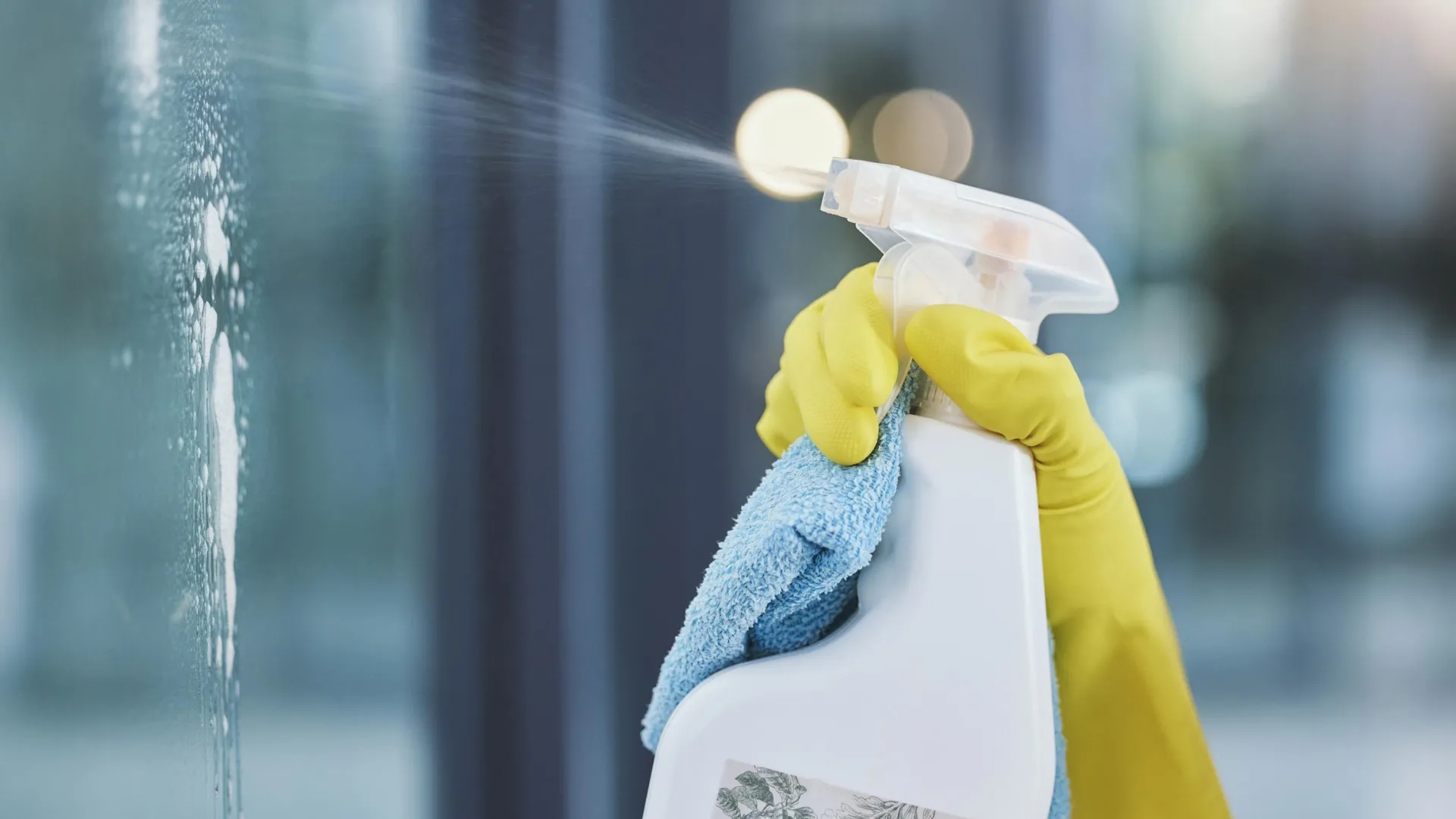
A pleasant, fresh scent after cleaning may actually signal invisible air pollution, according to research led by Brandon Boor at Purdue University, presented at the American Chemical Society's fall meeting.
Both conventional cleaning products and botanical essential oil-based disinfectants release fragrance compounds called terpenes, including pinene (pine), limonene (citrus), thymol (thyme), and linalool (lavender). When these compounds meet ozone naturally present indoors, they trigger rapid chemical reactions that generate enormous numbers of nanoparticles within just minutes of cleaning.
A hidden health risk
Most of the particles formed measure only 1 to 30 nanometers, far too small to be seen or detected by typical household air quality monitors. Despite the air appearing clean and smelling fresh, particle concentrations can temporarily exceed levels found outdoors near busy roads. Because of their extremely small size, these particles can travel deep into the respiratory tract, potentially causing irritation and inflammation, with some possibly entering the bloodstream.
Experiments conducted in a model home on Purdue's campus showed that everyday tasks like mopping floors or wiping and spraying surfaces can generate billions or even trillions of particles, depending on the product used.
UV-C lamps make it worse
The researchers also found that germicidal far-UV (UV-C) lamps, used to disinfect indoor air, produce ozone as a byproduct. Using such lamps at the same time as scented cleaning products intensifies nanoparticle formation even further.
The researchers stress that cleaning remains essential for removing viruses and bacteria from surfaces. To limit exposure, they recommend choosing fragrance-free or low-fragrance products, avoiding the use of multiple scented products in one cleaning session, running exhaust fans or opening windows for ventilation, and not combining scented cleaning with ozone-generating devices.