Plastic contamination poses hidden risk to food-waste recycling gains, study finds
A new study finds that diverting food waste from landfill sharply cuts climate impact but may raise microplastic contamination in soil. Researchers say plastics need far more attention when such recycling policies are designed.
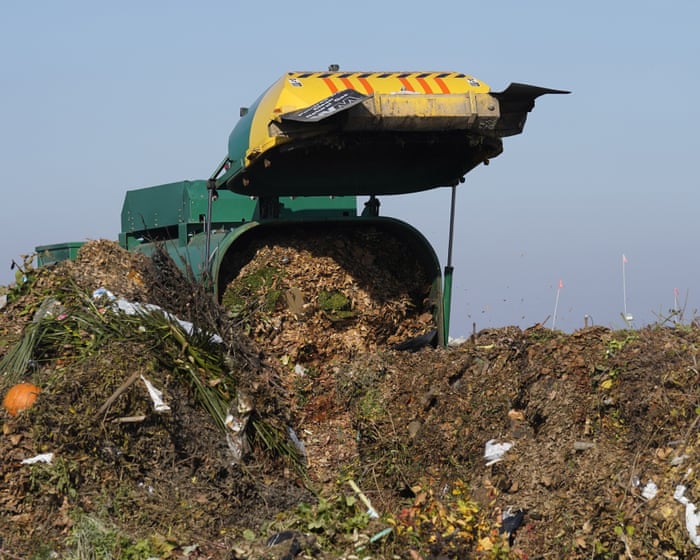
Researchers at the University of Vermont have published a study in Nature Food using life-cycle analysis to compare how different food-waste management approaches affect the climate, nutrient pollution in waterways, and plastic contamination.
UN data shows about a third of all food produced worldwide is wasted annually. In the US, 40% of food waste ends up in landfill, generating roughly 30 million metric tonnes of CO2 equivalent a year — more than Cuba's entire 2024 CO2 emissions of 24.4 million tonnes.
Diversion cuts emissions but raises a new risk
The study found that diverting food waste away from landfill toward alternatives such as composting or anaerobic digestion could cut climate impacts by 89% to 99%, while also reducing nutrient pollution that causes algal blooms in water bodies.
However, the researchers warned that microplastics can persist in compost, potentially contaminating up to 20,000 tonnes of US agricultural soil each year. Even with plastic-separation technology working at 99% efficiency, diverting food waste could still sharply increase microplastic pollution in soil, partly because much food spoils while still in its packaging.
Lead author Kate Porterfield said management systems need to be simple enough that people can separate waste correctly with minimal effort. Co-author Eric Roy noted that Vermont's Universal Recycling Law, fully in effect since 2020, is one of the most ambitious state-level organics-diversion mandates in the US and could offer a model for wider adoption.
The packaging trade-off
Phil Holtam, co-founder of the food waste social enterprise Sussex Surplus, said plastic packaging is often wrongly seen as unnecessary, when it is actually a trade-off essential to extending the shelf life of fresh produce. Chef and activist Max La Manna added that consumer demand for cosmetically perfect fruit and vegetables contributes to food being wasted before it ever reaches store shelves.

