Spying device detectors may give domestic abuse victims false sense of security, study finds
Researchers at University College London found that commercial detectors marketed to find hidden spying devices often fail to do so, creating a false sense of security for domestic abuse victims. They call for restrictions on the sale of covert surveillance devices themselves.
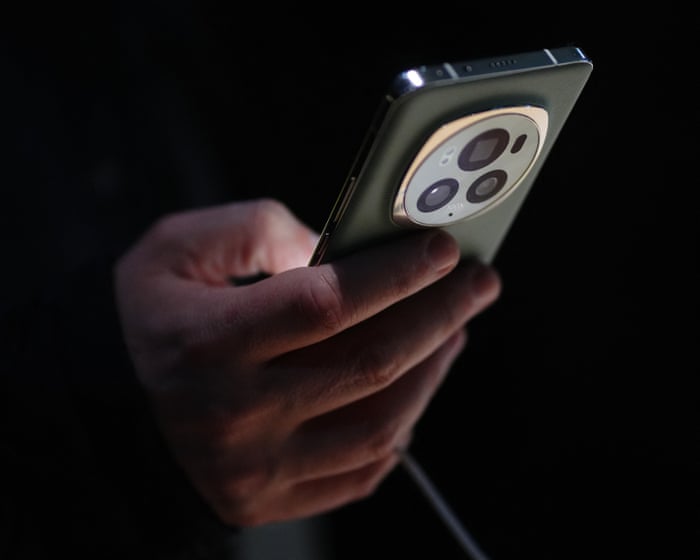
Researchers at University College London's computer science department have found that consumer detection tools marketed to help people find hidden cameras, microphones or trackers frequently fail to do their job, potentially giving domestic abuse victims a false sense of security while they remain under surveillance without knowing it.
Lead author Akhil Polamarasetty said there is a significant gap between the sophistication of covert spying devices and the tools designed to detect them. When a detector fails, victims continue to be spied on unaware.
The team identified roughly 1,000 covert surveillance products and 500 detection tools sold in the UK on mainstream platforms such as Amazon, AliExpress and eBay. Hidden cameras and microphones are often concealed inside everyday items like USB chargers, plush toys and clocks, and marketed as home security or pet-tracking devices, despite being suited primarily to covert monitoring.
In an experiment, 34 participants searched for hidden devices in a simulated living room first without tools, then with detectors. Without assistance, they missed 67% of hidden devices; with detectors, the miss rate only dropped to 59% — a marginal improvement. Many participants struggled to interpret the detectors' readings, while some tools produced false positives that caused anxiety, or missed devices altogether.
Polamarasetty noted that most detectors are not designed with ordinary consumers in mind, and many emit loud alert sounds that could tip off an abuser, making them unsafe for use by someone still living with a perpetrator.
The researchers recommend manufacturers improve user guidance and clearly flag inconclusive readings, but stressed that such fixes alone cannot solve the problem — the underlying solution is to curb the sale of covert spying devices. Co-author Dr Leonie Tanczer said companies must consider potential misuse of their products at the design stage rather than after harm occurs.
UK domestic abuse charity Refuge said it has seen a notable rise in victims reporting hidden microphones or cameras in their homes and called on the government to review how such products are regulated. eBay said it prohibits the sale of covert surveillance equipment and has removed some of the listings flagged by researchers. The UK Home Office said it is updating guidance on coercive behaviour and plans to criminalise taking intimate images without consent, including via hidden cameras.