Study: Botox injections may reduce the ability to read other people's emotions
A study published in the journal Scientific Reports found that Botox injections in the face alter brain activity and interfere with perceiving other people's emotions. The experiment involved ten women.
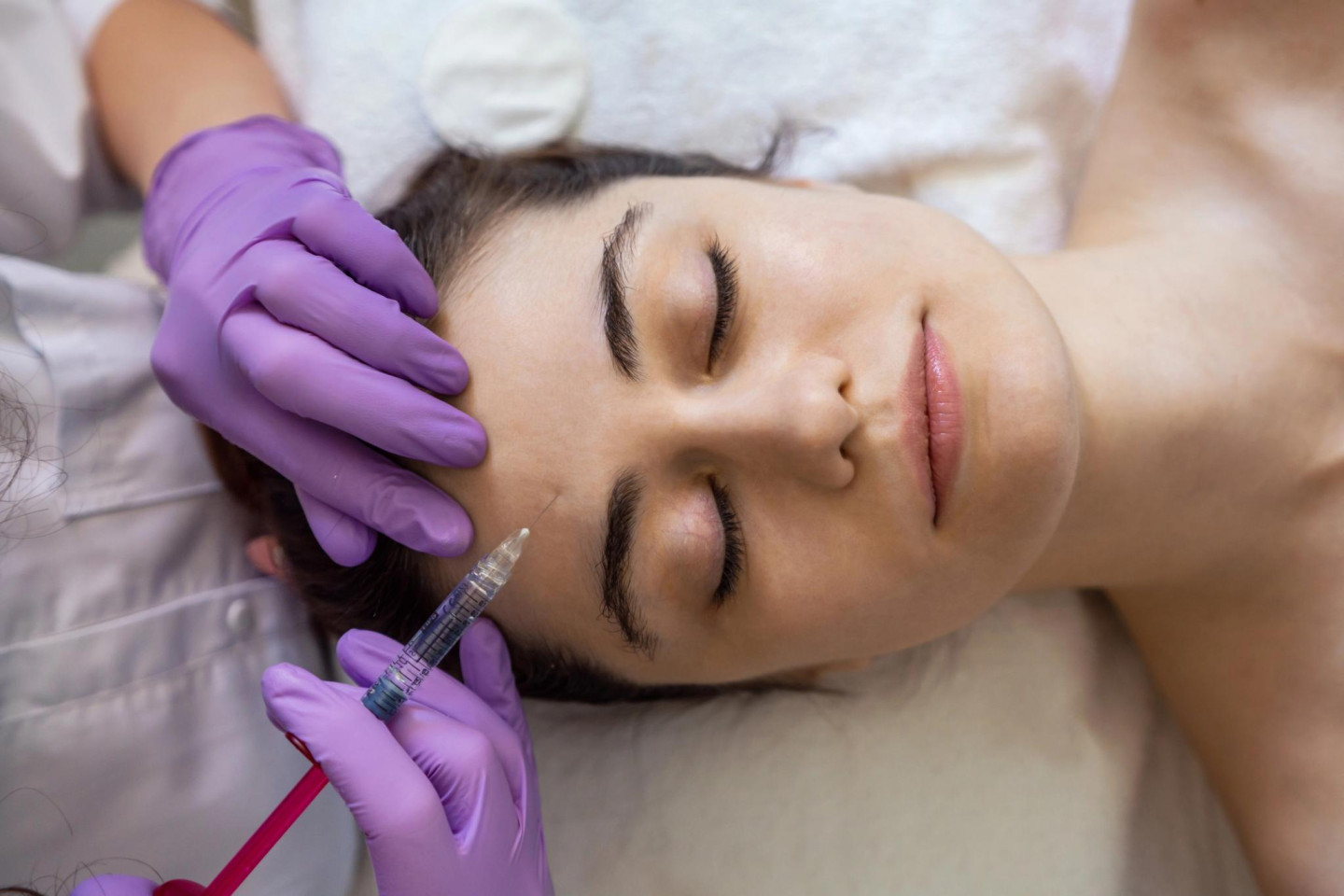
Botox injections that smooth wrinkles may weaken the ability to accurately pick up on other people's emotions. This is according to a study in the scientific journal Scientific Reports, whose findings point to a possible effect on relationships and empathy.
Lead author Dr. Fernando Marmolejo-Ramos explains that people subconsciously mimic another person's facial expression for a fraction of a second in order to recognise and understand how that person feels. If facial muscles are paralysed by a cosmetic procedure, others' emotions may be sensed less intensely and directly.
How the experiment worked
Using a functional magnetic resonance imaging (fMRI) scanner, researchers recorded the brain activity of ten women aged 33 to 40. Scans were taken before a Botox injection and again two to three weeks afterwards. After the procedure, the participants could not frown or smile fully.
They were shown photographs of neutral, angry and happy faces. When looking at angry and happy faces, activity changed in the amygdala, the brain's emotion-processing centre. When looking at happy faces, activity also changed in the brain region responsible for analysing faces.
Normally, facial muscles mirror another person's expression and immediately send a signal to the brain's emotional centres. Botox paralyses the muscles, so this feedback loop between face and brain is disrupted. According to Marmolejo-Ramos, responses to other people's signals, including romantic and sexual ones, become considerably cooler and more muted.
A widely used procedure
Botox is one of the most popular non-surgical cosmetic procedures in the world and is estimated to be used by more than 11 million people. It is most often used to smooth the so-called "frown lines" between the eyebrows, as well as wrinkles around the eyes and on the forehead.
Botox is also used in medicine, for example to treat chronic migraine, neck spasms, strabismus, excessive sweating and overactive bladder. Earlier studies indicated that it may ease depression symptoms and help men with erectile dysfunction. Experts advise considering, before the procedure, whether a smooth forehead is worth the ability to understand a partner well.