Fiber vs. cable internet: how the two home connections differ
Engadget compares two widely used home internet types, fiber-optic and coaxial cable. Fiber is faster and more reliable, while cable is more widely available.
Choosing a home internet connection often comes down to two factors: what is available at your address and what it costs. Tech site Engadget has set out the differences between fiber-optic and cable internet, both of which beat DSL and satellite on speed and reliability. The examples in the piece relate to the US market.
How the two technologies work
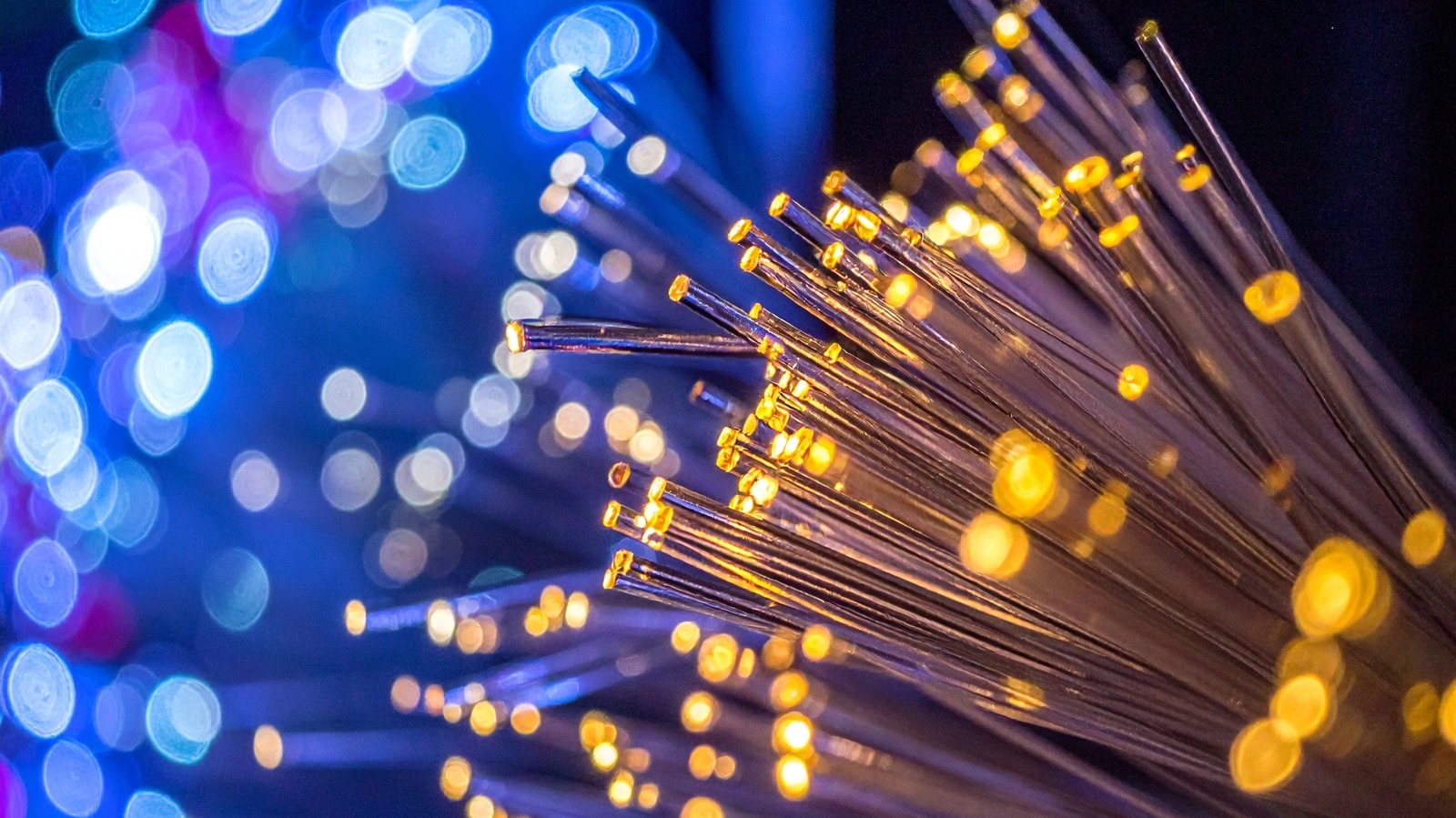
Fiber sends information as light through thin glass strands wrapped in protective plastic layers. Cable internet moves data as electrical signals through a coaxial cable with a copper core. That suits providers because it reuses the infrastructure built for cable TV, but the electrical signal is more prone to interference from extreme weather or moisture.
Speed and reliability
Fiber supports far higher bandwidth. On cable, the available capacity must be divided between uploading and downloading, and it is shared with neighboring households, so speeds can drop in the evening when many people are streaming. Fiber is symmetrical, meaning upload and download speeds match, which matters for people who often upload video, live stream or sync files. Entry-level fiber plans commonly sit around 300 or 500 Mbps; Ziply Fiber, for example, offers plans from 2 Gbps up to 50 Gbps. Many providers use a hybrid fiber-coaxial network, with fiber reaching the neighborhood and coaxial cable covering the last stretch to homes. Downloads of 1 Gbps or more are possible this way, but uploads are slower.
Price and availability
Fiber is not necessarily more expensive than cable. Google Fiber charges $70 a month for 1 Gbps in both directions, $100 for 3 Gbps and $150 for 8 Gbps. Xfinity's hybrid cable plans cost $45 for 300 Mbps down, $60 for 500 Mbps and $70 for 1 Gbps. These prices are locked for five years with no contract, then rise.
According to the Fiber Broadband Association, more than 60 percent of American households had access to fiber as of September 2025. The Federal Communications Commission (FCC) says 96.9 percent of Americans can get fixed broadband at 100/20 Mbps.
Fiber requires an Optical Network Terminal (ONT), which replaces the modem and is usually included in the plan. Cable customers use the provider's all-in-one gateway or buy their own modem and router. Where neither wired option suits, wireless 5G home internet is an alternative, though it is usually slower with higher latency.
Even a fast plan can underperform with a cheap router or poor settings. Connecting via Ethernet avoids Wi-Fi interference and lowers latency for gaming and video calls.