Omar Rajeh in London: a solo dance on choreography, defiance and loss
Lebanese choreographer Omar Rajeh performs his solo piece Dance Is Not for Us at London's Barbican as part of the Dance Umbrella festival. It blends movement with reflections on what choreography is, linking art and politics.
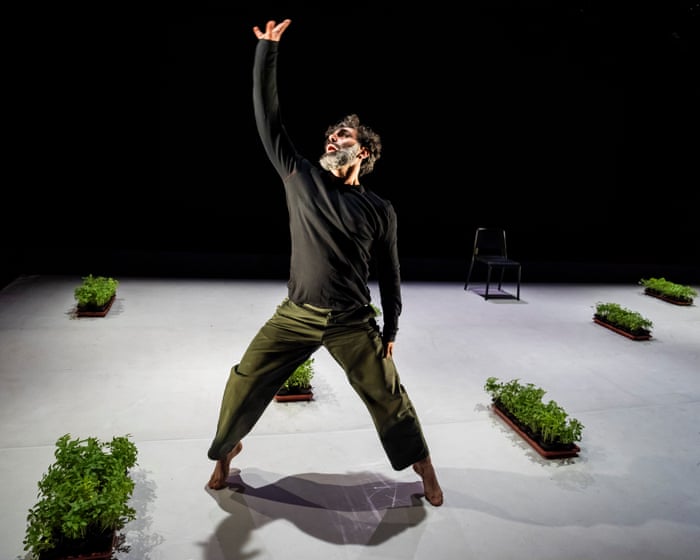
Lebanese-born choreographer and dancer Omar Rajeh is performing the solo piece Dance Is Not for Us at the Barbican in London. The work is part of this year's Dance Umbrella festival, and The Guardian's reviewer describes it as a heartfelt appeal to gather, to witness and to share pain and loss.
What happens on stage
The piece opens with a reference to August 2019. Rajeh was sitting in his bedroom, listening to pounding percussion, while his world was in crisis. Amid political instability, Citerne Beirut, a theatre and cultural centre he had founded in Lebanon, was forced to close. The local government ordered it dismantled because it planned to build an incinerator on the site.
Rajeh says that as a teenager, coming of age at the end of the Lebanese civil war, dance seemed the most revolutionary thing he could do. More than three decades later he is still dancing, out of frustration, defiance, resistance and a wish to connect. As the percussive score builds, his body moves busily and he works up a sweat. The reviewer notes that he is not always an especially elegant mover, but dances as though it is necessary.
The anatomy of choreography
At times the solo looks like an explosion of physical instinct, but it is mostly calm, considered reflection on the nature of choreography, with its workings laid bare. Rajeh sits at a keyboard, and his thoughts appear on a screen: the inspirations, decisions, hesitations and U-turns involved in making a performance.
He recalls the first "choreographies" he ever saw: a fight between two men, and people gathering in the streets to protest. Bodies make choices and organise themselves in space, which is what choreography is. For Rajeh, the creative and the political are one. He is now based in Lyon, which the reviewer calls a major loss to Lebanon's creative life.

/nginx/o/2026/10/18/17981182t1h5cbd.jpg)