Nigeria's 'hypemen' reshape the Afrobeats scene, from clubs to wedding parties
In Nigeria and elsewhere in West Africa, hypemen – performers who energise crowds with ad-libbed vocals at Afrobeats events – have become a full-time career, though some observers criticise them.
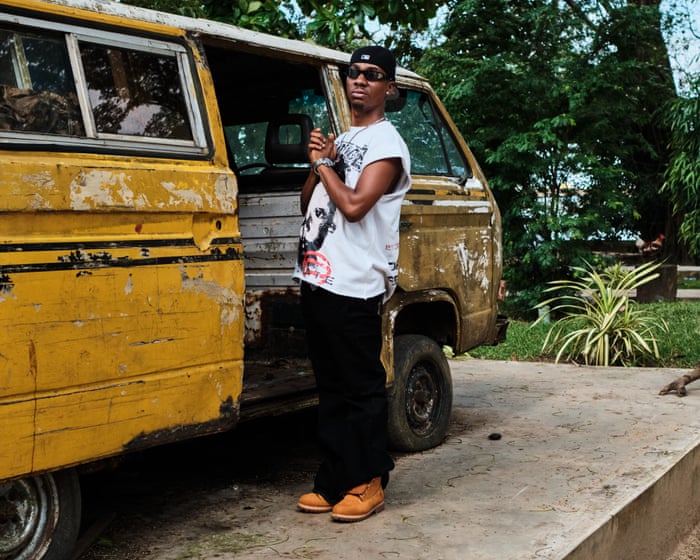
In Nigeria, a growing Afrobeats sub-genre known as "Afrohype" or "lamba" is gaining ground. Afrobeats is the West African pop music movement. Its performers, called hypemen, neither sing nor fully rap. Instead they deliver high-energy, ad-libbed vocals and onomatopoeic sounds over fresh beats or popular instrumentals. According to The Guardian, the style is now common at wedding after-parties, raves and corporate events.
From campus to stage
One of the scene's pioneers is 32-year-old Tobi Michael Adeyeye, known as Toby Shang. He studied history at the University of Lagos and earned the nickname after a presentation on a Chinese dynasty impressed his classmates. By his final year, his viral catchphrases had produced a hit song, "Shedibalabala". Since then he has hosted his own rave, released two EPs and run four editions of the School of Hype, a one-day masterclass with online mentoring.
Few women work in the male-dominated scene, but they include Cameroonian bikutsi artist Lady Ponce, nicknamed the "100,000-volt lady", and Lagos radio presenter Melody Adigo. Deborah Francis, known as Hype Queen Baddy and a graduate of Shang's school, died in September.
Roots and money
The practice traces back to praise-singing by West African griots (oral historians), US spirituals and the atalaku tradition that emerged in 1980s Kinshasa. It later spread to Côte d'Ivoire, where it merged with the custom of throwing cash at performers.
Artists became more expensive to book after Covid-19, so promoters turned to hypemen. Some are reportedly paid 5–8m naira (about £2,844–4,550) for a 30-minute or one-hour set. Some observers say the style adds noise and does not suit every event.
Shang argues that hypemen help people return to the dancefloor.


