NATO Summit in Ankara: Trump Lashes Out at Allies, Renews Greenland Demand
NATO leaders gathered in Ankara on Wednesday, July 8, for a summit where U.S. President Donald Trump expressed deep dissatisfaction with the alliance, singling out Spain, the UK, and Italy for criticism, and again demanded that Greenland be placed under U.S. control.
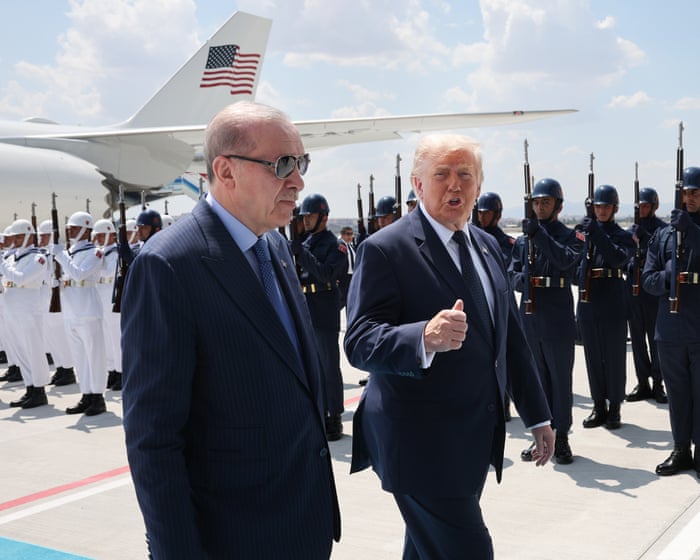
The NATO summit in Ankara, Turkey, got off to a tense start as U.S. President Donald Trump launched a series of verbal attacks on several allies before the official sessions began.
Trump’s Criticism of Allies
Trump particularly targeted Spain, calling it a “terrible partner” in NATO and instructing his officials to “cut all trade with Spain.” He claimed that Spain does not participate or pay its fair share. The UK also came under fire, with Trump stating it “would not let us use the island for two weeks,” while he described Italy as “very bad.”
NATO Secretary General Mark Rutte attempted to contain the fallout, acknowledging Trump’s frustrations but describing them as “isolated” cases. He noted that many European countries are contributing and even credited Trump with getting Spain to pay 2% of GDP on defense.
Greenland Issue
Trump reiterated his demand for Greenland, asserting it is “very important for the US, but not important for Denmark.” He complained that the U.S. spends heavily to protect NATO countries but receives nothing in return. Rutte recalled a Davos agreement to increase U.S. military presence in Greenland, pledging to implement it step by step, but Trump continued to call Greenland “a big problem.”
Iran, Turkey, and China
On Iran, Trump declared the memorandum of understanding with Tehran “over” and called Iranian officials “dirty players” and “evil people.” He also heaped praise on Turkish President Recep Tayyip Erdoğan, commending Turkey’s military strength, and unexpectedly praised China as well.
Rutte responded with effusive praise for Trump, prompting the U.S. president to say, “That’s why I like him.” The summit is expected to address support for Ukraine and recognize Russia as a long-term threat, though Trump’s mood could complicate matters.