NATO Summits: From Paris to Ankara – How Leaders Shape the Alliance's Course
NATO summits are the highest-level meetings of allied leaders, determining the strategic direction and legitimizing key decisions. The upcoming 36th summit in Ankara this July will focus on increasing defense spending, implementing regional plans, and demonstrating unity against Russia.
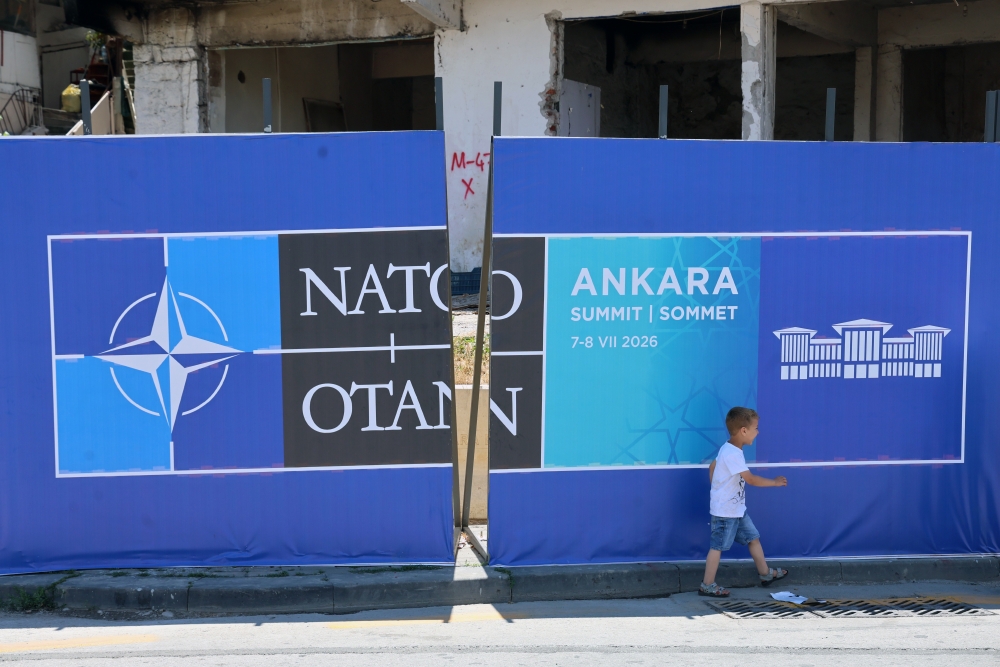
A NATO summit is more than a routine meeting; it is a session of the North Atlantic Council at the highest level—heads of state and government—where previously prepared decisions are endorsed and political signals are sent. The first such summit took place in Paris in 1957, in response to the Soviet Union's launch of Sputnik and its nuclear buildup. Since then, summits have been held irregularly, depending on security challenges.
On July 7–8, 2026, NATO leaders will gather in Turkey's capital Ankara for the 36th summit, primarily to assess progress on earlier commitments. Key topics include member states' progress toward spending 5% of GDP on defense and the implementation of regional defense plans, especially on the eastern flank. According to Latvia's Ministry of Defense, Russia remains the most immediate threat, so the summit will aim to strengthen deterrence and defense capabilities, including air defense, drones, and counter-drone systems.
For Latvia, practical military readiness is crucial—allied presence, pre-positioned equipment, and rapid reinforcement capabilities. New procurements for ammunition stockpiles and increasing defense industrial production are also expected. Discussions on support for Ukraine, including air defense and fairer burden-sharing, will be another key agenda item.
Meanwhile, the alliance is debating the frequency of summits. Since 2021, they have been held annually, but diplomats are considering a shift to less frequent meetings to focus on substantive outcomes. This is influenced by challenging relations with U.S. President Donald Trump. Experts note that while summits are important, NATO can convey its messages through other formats, such as ministerial meetings or international conferences.