NATO's European commander outlines alliance "theory of victory" in Warsaw: block, blunt, break
General Alexus Grynkewich, NATO's Supreme Allied Commander Europe, publicly set out the alliance's approach to a possible attack at the Warsaw Security Forum. It rests on three actions: block an attack, blunt it and, if necessary, break the opponent's forces.
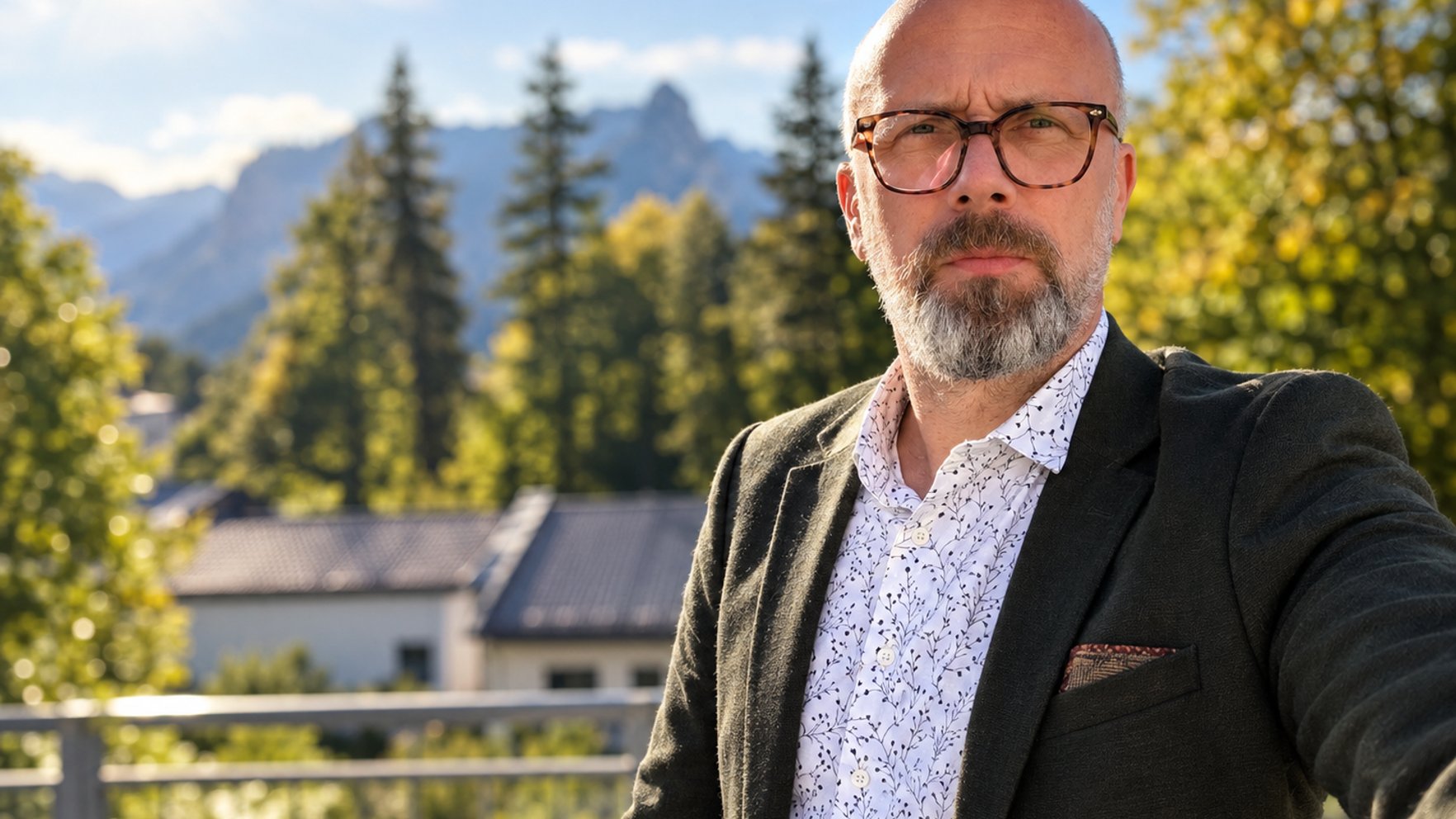
General Alexus Grynkewich, the US officer who serves as NATO's Supreme Allied Commander Europe (SACEUR), publicly presented the alliance's "theory of victory" at the Warsaw Security Forum, describing how NATO would respond if a country attacked it. It is the clearest public account so far of how the alliance plans to defend its members, including the Baltic states, and in Latvia it is read as a direct answer to whether allies would help from day one.
Three steps
Grynkewich said NATO would first block an initial attack and, if the assault continued, halt the enemy's advance. If necessary, it would break the adversary's forces and the entire operational system used against the alliance.
To block means preventing any seizure of territory, using land forces at the border together with air, maritime, space and cyber capabilities. To blunt means using sensors, autonomous systems and multi-domain strikes to take away the attacker's initiative. To break means hitting not just the attacking forces but everything that supplies, sustains and directs them.
The general stressed that this is not a military plan but a commander's intent, based on a strategy approved by all 32 member states. The aim is not Russia's strategic defeat on its own territory, but the point at which the aggressor can no longer continue fighting.
A shift in Baltic defence
Until 2022, a small allied presence in the Baltics served as a political signal, with lost territory to be recovered later. After Russia's full-scale invasion of Ukraine and events in Bucha and Irpin, that approach is no longer acceptable to the Baltic states. Deterrence now rests on denying an attacker any success from the outset.
The commentary's author, Marek Matisons, compares the speech with earlier SACEUR statements: Philip Breedlove warned in 2014 that NATO would respond, Christopher Cavoli set out where the alliance would defend, and Grynkewich explained for the first time how it would win.
What it means for Latvia
The first to block an aggressor would be forces already on the ground: Latvia's National Armed Forces, the National Guard (Zemessardze) and allied troops in the Multinational Brigade in Latvia. The author points to open questions, including the limited depth of Baltic territory, dependence on US long-range capabilities and the need for a breakthrough in European defence industry. Grynkewich closed with the words: "Today is not the day."