NASA's Perseverance rover proves autonomous driving success while probing Mars' ancient rocks
NASA's Perseverance rover, exploring some of the oldest known rocks in the Solar System within Jezero Crater, continues to perform well with its self-driving technology and shows little wear after years on Mars.
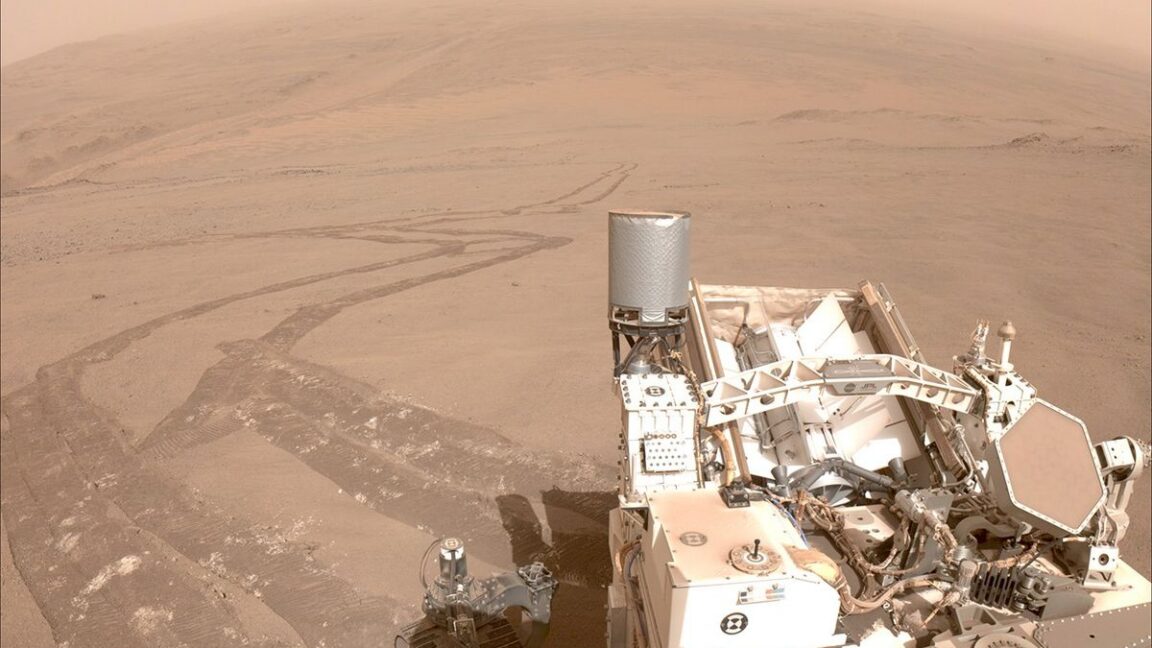
NASA's Perseverance rover continues to operate successfully in Jezero Crater, where it is studying some of the oldest rocks in the Solar System — some dating back roughly 4 billion years. These rocks formed during a period when Mars was still experiencing intense bombardment from space debris, though conditions were beginning to stabilize.
Scientists say this marks the first time researchers have been able to study this type of terrain directly, in situ. During this ancient era, large lakes or even oceans are believed to have existed on Mars. Perseverance is gathering data to help determine what geological and environmental conditions existed at the time, and how hospitable the planet may have been to life. Some researchers suggest ancient Mars may have resembled Earth's Mojave Desert, with flowing water, though the debate continues.
Rovers built to last
Alongside Perseverance, NASA's older rover Curiosity has been operating on Mars for nearly 15 years. After several years of driving, Curiosity's wheels showed significant wear. As a result, Perseverance's wheels were redesigned, and mission operators report no signs of notable wear so far.
The only minor concern at this stage involves the actuators within the wheels, which were originally tested for a 20-kilometer driving lifespan. NASA is now working to certify them for at least 100 kilometers, possibly more. Because Perseverance runs on radioisotope thermoelectric power and carries no propellant, consumables, or lubricants, engineers believe it could continue driving across Mars for many years to come.