NASA’s X-59 Experimental Aircraft Breaks Sound Barrier Quietly
NASA's X-59 supersonic aircraft has successfully flown faster than sound, producing significantly less noise than traditional supersonic planes. This milestone brings the era of quiet supersonic flight closer to commercial reality.
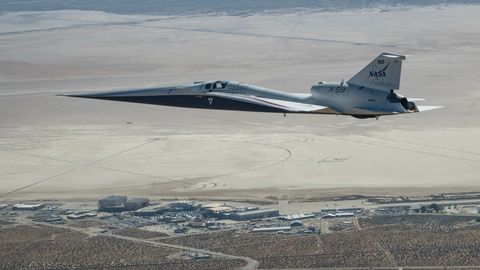
NASA’s experimental X-59 aircraft has finally achieved supersonic speed, marking a major milestone in aviation technology. Unlike conventional supersonic aircraft that produce a loud sonic boom, the X-59 is designed to create only a quiet “thump” when exceeding the speed of sound.
This is the first step in a broader NASA program aimed at demonstrating that supersonic flight over populated areas can be acceptable without excessive noise. Scientists now plan to conduct tests measuring how people on the ground perceive the sound produced by the X-59. Initial results suggest that the noise is significantly lower than that of previous supersonic aircraft, such as the Concorde.
While full details of the flight conditions have not yet been released, NASA officials emphasize that this is a crucial step toward commercial supersonic aviation. If subsequent tests are successful, the X-59 technology could revolutionize air travel by reducing flight times between continents and making supersonic flights quieter and more environmentally friendly.