Narva renames "Tsar's Road" tourist route after Tallinn deputy mayor's criticism
Narva's city council has decided to rename a planned tourist route called "Tsar's Road" after Tallinn deputy mayor Riina Solman criticized the idea during a visit, prompting a wider debate about how the city should use its historical heritage.
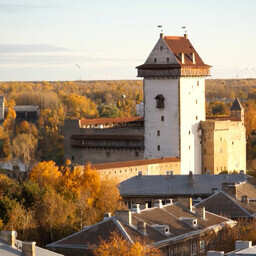
The dispute began when Riina Solman, visiting Narva to hand over the title of Autumn Capital, publicly criticized plans for a new tourist route named "Tsar's Road." She argued that the era of such projects had passed and that Narva should instead promote landmarks meaningful to Estonia rather than contentious historical symbols.
Responding to the criticism, Narva City Council chairman Urbo Vaarmann said the city has no intention of renaming, for example, Soviet-era buildings, since they remain part of history — but stressed that the worst outcome would be using history for political purposes. In the end, local authorities decided to change the route's name anyway.
The episode grew into a broader conversation about which parts of Narva's past can be used to promote the city — Soviet-era architecture, its imperial legacy, the Russian-speaking community, or the border itself. Elena Pazilina, head of the city council's culture committee, said Narva's history is above all a story about people, and that the line between honoring the work of previous generations and manipulating history for other ends is a sensitive one.
Deputy committee chair Yana Kondrashova acknowledged that in today's geopolitical climate, separating history from politics without some reputational cost to the parties involved is nearly impossible. Active Narva resident Vladimir Gross added that the city's history, including Soviet monuments, should be promoted in a balanced way that avoids appearing to court the neighboring country.
Guide Denis Bjorkland expressed regret that the controversy overshadowed what he called the largest Autumn Capital program the city has held, saying the focus should be on the work put in by organizers rather than turning the event into a political statement.