Margaret Hamilton, Software Pioneer Behind Apollo 11 Moon Landing, Dies at 90
Computer pioneer Margaret Hamilton, whose team wrote the software that guided the first Moon landing, has died aged 90, MIT announced.
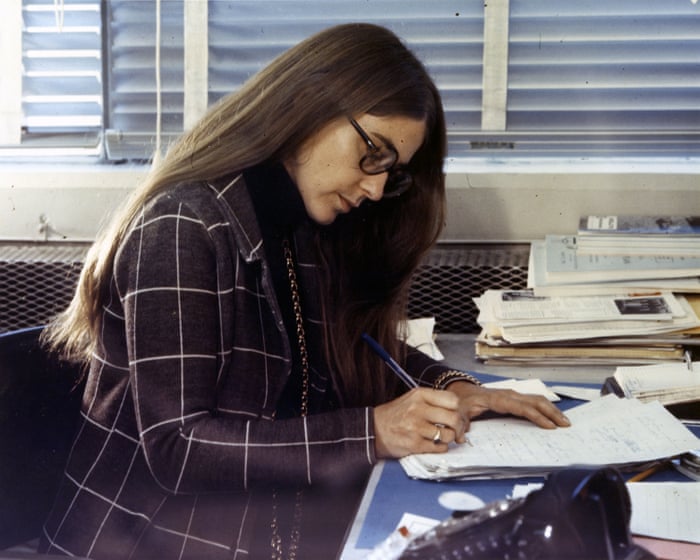
The Massachusetts Institute of Technology (MIT) announced on Wednesday that computer pioneer Margaret Hamilton, whose software made the first Moon landing possible, has died at the age of 90. She passed away on 30 September.
At a time when job titles such as software engineer or computer scientist were not yet common, Hamilton learned programming from a renowned MIT meteorologist. She then honed her skills in an institute laboratory, writing software capable of detecting enemy aircraft. When MIT won a NASA contract to develop the onboard flight software for Apollo, she seized the chance.
"I was attracted both by the sheer idea and the fact that it had never been done before. I was the first programmer to join and the first woman they hired," she told the Guardian in 2019.
An alarm before touchdown
In 1969, just minutes before Apollo 11 was due to land on the lunar surface, an alarm sounded on the onboard computer, signalling an emergency. Faced with the question of whether to abort the mission, the crew pressed on. The software was behaving exactly as Hamilton and her team had designed it to.
"It quickly became clear the software was not only informing everyone that there was a hardware-related problem but was compensating for it – restarting and re-establishing the highest priority tasks. The error detection and recovery mechanisms had come to the rescue," Hamilton said.
Barack Obama referred to the episode when he awarded her the Presidential Medal of Freedom in 2016. "Our astronauts didn't have much time, but thankfully they had Margaret Hamilton," he said.
Remembered
According to MIT, Hamilton is survived by her daughter, a son-in-law, two grandsons and four great-grandchildren.
Reflecting on the mission in a 2009 interview with MIT News, she said: "Looking back, we were the luckiest people in the world; there was no choice but to be pioneers; no time to be beginners."