Wildfire smoke now kills 1.5 million people a year, scientists warn
Scientists say wildfire smoke carries a far greater death toll than the flames themselves, and this year's smoke episodes across North America and Europe have been especially severe. Researchers acknowledge major gaps remain in understanding the long-term health effects.
As wildfires continue burning across Canada and Europe this summer, evidence is mounting that it is smoke, not flames, that causes the greatest loss of life. A 2024 study published in the Lancet found that smoke from landscape fires kills roughly 1.5 million people worldwide each year — more than floods, fire, storms and heat combined.
Tiny particulates in wildfire smoke can enter the bloodstream and affect every organ in the body. A study published in Nature found that smoke plumes from Canada's 2023 wildfires caused 82,000 early deaths, with a third of that toll falling on the United States and a quarter on Europe. Around 10% of the UK's fine particulate (PM2.5) pollution comes from biomass burned abroad.
The whims of wind
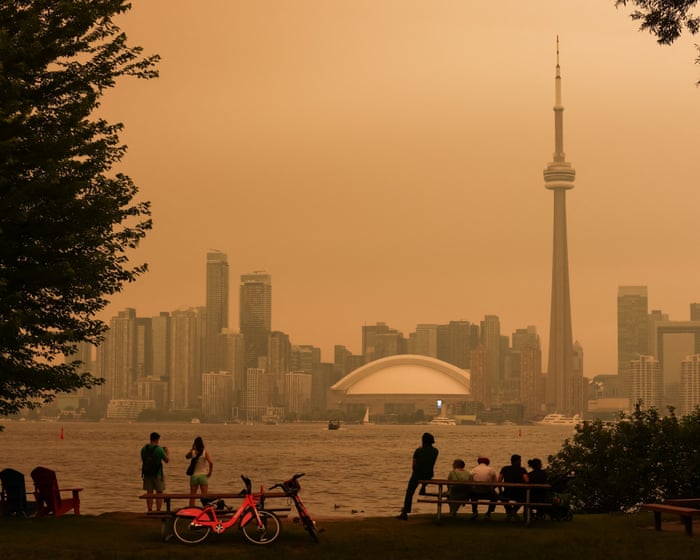
This year's fire season has been particularly brutal. Toronto briefly recorded the worst air quality of any major city in the world in July, a title later claimed by Portland, Oregon. Hospital staff have reported a rise in patients with breathing difficulties and allergies. At least 36 million people across North America breathed air with very unhealthy pollution levels in July, while more than 10 million were exposed to concentrations exceeding even the worst days recorded in Delhi.
In Europe, although France and Spain saw record wildfire pollution, winds largely carried the smoke away from populated areas, sparing many big cities from the extreme exposure the scale of the fires might have suggested.
A lack of long-term research
Scientists say the health effects of wildfire smoke remain poorly understood because long-term studies are scarce — repeated, severe smoke exposure has only become a widespread problem in recent years. Research suggests wildfire-specific PM2.5 particles can be up to 10 times more harmful in the short term than ordinary pollution, due to higher concentrations of organic compounds and ultra-fine particles.
Experts recommend wearing masks, closing windows and checking air quality monitors, though they note this advice can conflict with the need to stay cool during heatwaves. Scientists emphasise that climate breakdown, rather than forest management, is the main driver making fires more frequent and destructive across both North America and Europe.