Meta Reconsiders Its 2030 Net-Zero Emissions Goal
US tech company Meta says in its 2026 sustainability report that it is re-evaluating its goal of reaching net-zero emissions by 2030. Its emissions rose from 15.6 million to more than 21.7 million tonnes of CO2 equivalent in 2025.
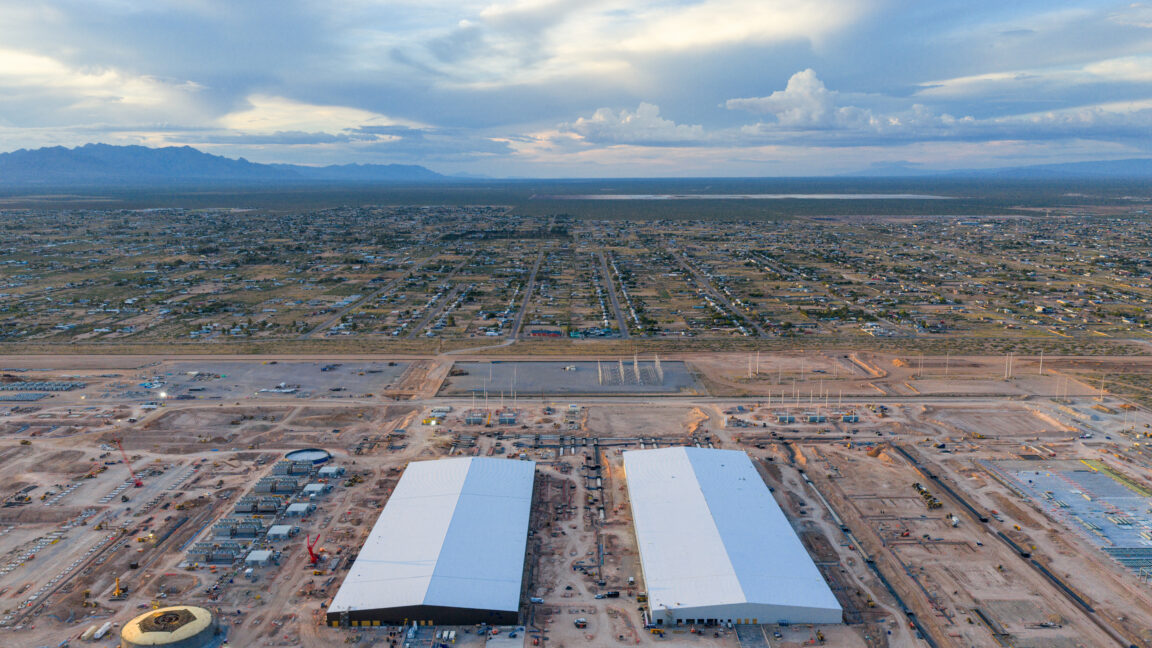
Meta, the US technology company behind major social networks, has said it is rethinking its original goal of reaching net-zero greenhouse gas emissions by 2030. The statement appears in its 2026 sustainability report, published on November 19, and comes as emissions climb sharply with the expansion of artificial intelligence data centers.
In the report's introduction, Rachel Peterson, Meta's vice president of data centers, and Blair Swedeen, its global head of net zero and sustainability, write that the company's long-term ambitions have not changed but its operating environment has. They point to demand for AI infrastructure, which they say has grown faster than almost anyone projected. Meta is re-evaluating its timelines, sequencing and interim milestones, including the 2030 net-zero timeframe and its near-term intensity targets.
Emissions rise
According to the report, Meta's total emissions grew from 15.6 million metric tonnes of carbon dioxide equivalent in 2024 to more than 21.7 million in 2025. That is a larger percentage increase than reported by any other big tech rival building AI data centers. The total is roughly comparable to the annual emissions of the US state of Idaho and exceeds those of Hawaii, Maine, South Dakota and New Hampshire.
The company attributed much of the increase to capital goods, such as data center servers.
Rivals keep their targets
Amazon, Google and Microsoft have so far stuck with their original sustainability goals. Even so, all of the companies have acknowledged the difficulty of balancing those goals against the rapid buildout of hyperscale data centers. Despite investing in more renewable energy projects, Meta and its competitors are still often advancing AI data centers that rely on burning natural gas to generate electricity.