Latvian medics to picket government today demanding 30% pay rise
About 1,000 healthcare workers are expected to join a union-organized picket outside Latvia's government building demanding a 30% salary increase for all medical staff. Health Minister Hosams Abu Meri admits the raise is justified but is unsure funding can be secured.
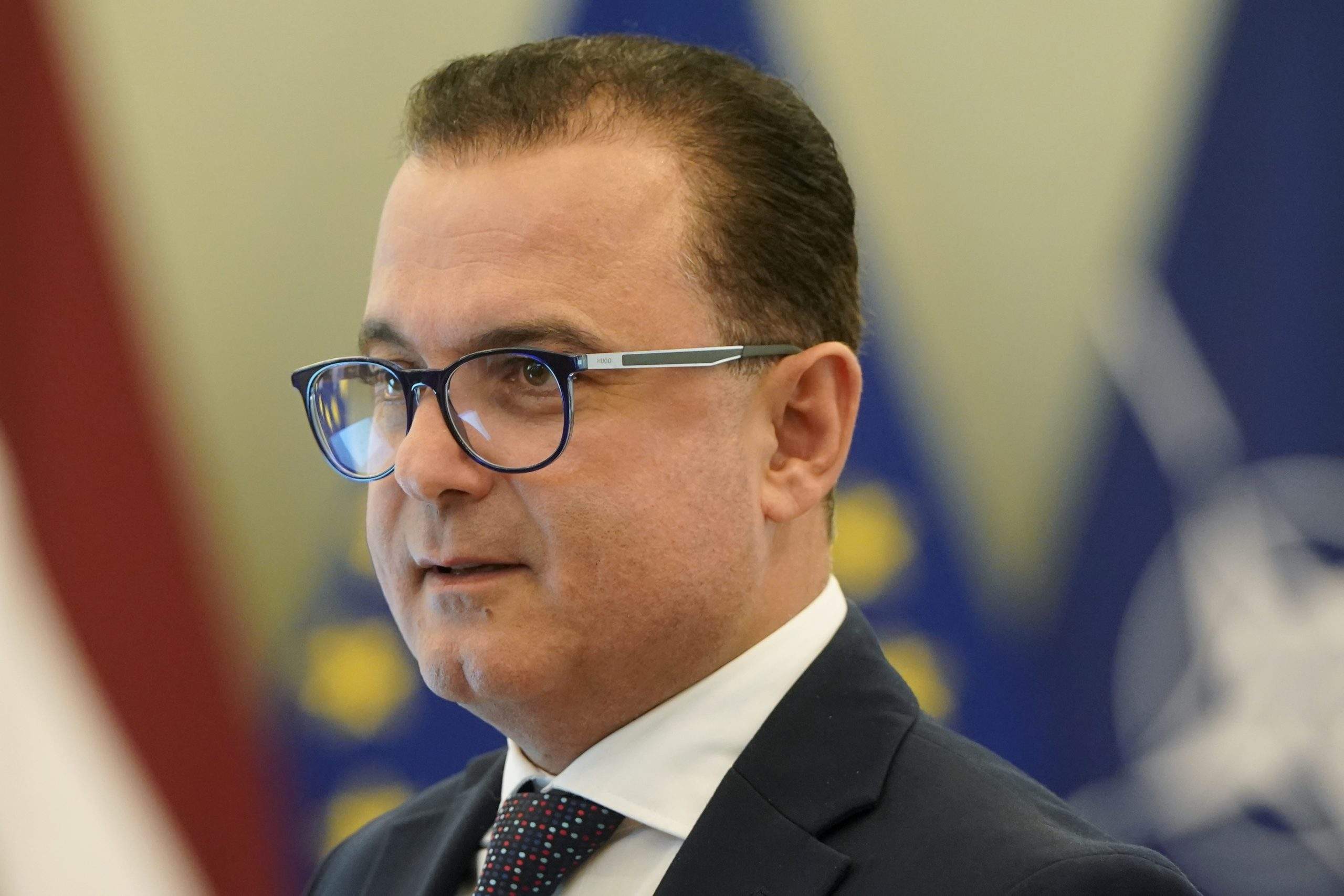
Healthcare workers are gathering today outside the Cabinet building in a picket organized by the Latvian Health and Social Care Workers' Trade Union (LVSADA), with roughly 1,000 participants expected. The union demands that next year's state budget include at least a 30% pay increase for everyone employed in healthcare.
Minister's response
Health Minister Hosams Abu Meri told TV3's "900 seconds" programme that raising medical salaries is necessary, but he is not confident funding can be found given slow economic growth. The new government's declaration sets a target of at least 12% of state spending, or 6% of GDP, for healthcare — implying an additional 400–500 million euros would be needed. He stressed the final decision rests with the finance minister and the governing coalition as a whole, not the health ministry alone.
Union's case
LVSADA warns that without a substantial pay rise, staff shortages in healthcare will worsen. The current minimum wage for a nurse's assistant is 863 euros, and for a nurse 1,189 euros, while Latvia has roughly half as many nurses per capita as the EU average. The union initially demanded 30% but compromised on 25.4%, which the ministry says would cost 228.7 million euros — though no funding decision has yet been made.
The Free Trade Union Confederation of Latvia cites economist estimates that chronic underfunding costs the economy 800 million to 1 billion euros annually, through premature deaths, long waiting lists, medicine shortages and workforce loss.
Family doctors join in
The Latvian Family Doctors' Association is also joining the protest, backing the 30% demand and additionally calling for Abu Meri's resignation, while separately seeking a 20% rise in family doctors' capitation-based pay. The association also criticizes proposed amendments to the Medical Treatment Law and points to ongoing litigation with the National Health Service.
LVSADA says that if the government fails to allocate concrete funding, it will convene an emergency council meeting to decide on further collective action.


