Car bomb kills Russian ammunition chief in Moscow region; EU targets new sanctions
A car bomb near Moscow killed a Russian general in charge of ammunition supplies. Meanwhile, the EU proposed new sanctions including banning Russian soldiers and extending oil price caps, while Ukraine continued drone strikes on Russian energy infrastructure.
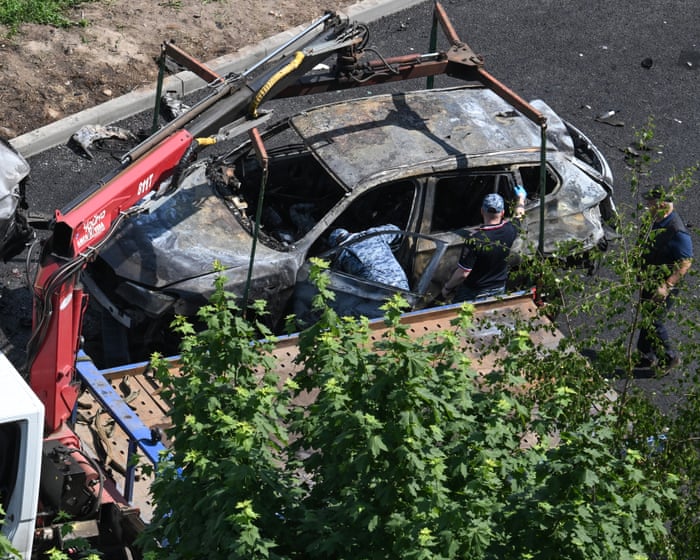
Explosion in Balashikha
A car bomb in the Moscow region killed a general responsible for heavy ammunition supplies for the Russian army, according to reports. The explosion occurred in Balashikha, killing the driver, identified as Damir Davydov, head of the Russian defence ministry’s missile and artillery wing. A second car bomb was discovered and neutralized by authorities in southwest Moscow. Throughout the war, several audacious assassinations of senior figures involved in Moscow’s war effort have taken place, with Ukrainian security services either claiming responsibility or being blamed by Russian authorities.
Fuel Disruptions in Russia
Disruptions to fuel supplies triggered panic-buying in Russia’s Krasnodar region, the governor said, as Ukrainian strikes on energy infrastructure continued to hit fuel deliveries across several southern regions and Russian-held Crimea. On Tuesday, emergency services said they had finally extinguished an oil depot fire in the town of Ust-Labinsk after a Ukrainian drone attack on Saturday. In the early hours of Wednesday, a Ukrainian drone attack started a fire in a fuel tank in the Millerovsky district of Russia’s southern Rostov region, according to Governor Yuri Slyusar, who reported no casualties. In Dagestan, explosions shook the town of Kizilyurt after a gas pipeline blew up, engulfing a gas distribution station. The city of Novokuibyshevsk in Samara region was under drone attack early Wednesday; the regional governor closed the airspace. The area hosts a Rosneft oil refinery.
EU Sanctions Expansion
The EU hopes to ban Russian soldiers from entering member states as part of further sanctions targeting banks, crypto firms, and Kremlin oil revenues. The commission wants to maintain a price cap on Russian oil at $44 until January 2027; add 30 “shadow fleet” oil tankers to its blacklist (in addition to 632 already under restrictions); and extend sanctions against cryptocurrency firms, banks, and oil traders helping Russia. For the first time, sanctions propose banning Russian fish imports, including cod, and restricting trade in other species. The EU also intends to ban imports of Russian metals, ores, and car parts worth €60m. Export restrictions are proposed for metals and alloys used in aerospace and defence, including drone equipment. Missing from the list were EU alumina exports, which came under scrutiny after investigative journalists revealed details of shipments from an Irish plant to Siberia.
Diplomacy and Talks
European Commission President Ursula von der Leyen confirmed the decision to move ahead with Ukraine’s EU accession negotiations. The bloc is expected to open the first chapters on rule of law and democratic standards next week. Ukraine is making “extraordinary progress” on reforms, she said. President Volodymyr Zelenskyy met with Nordic and Baltic leaders in Estonia on Tuesday, promising help with low-cost drone defences. Bulgaria’s new defence minister, Dimitar Stoyanov, said the country will no longer provide arms to Ukraine and called for negotiations. Kremlin spokesman Dmitry Peskov said there were no plans for a Trump-Putin phone call but acknowledged US negotiators maintain contacts. Peskov suggested the EU is not ready to mediate, as it puts forward conditions to Russia.