Manston asylum centre failures linked to Downing Street decisions, UK inquiry hears
An independent UK inquiry has heard that racism, use of force and severe overcrowding at the Manston asylum processing site in 2022 were connected to decisions made at the top level of government. Nearly 200 detainees, former home secretaries and several government departments are taking part.
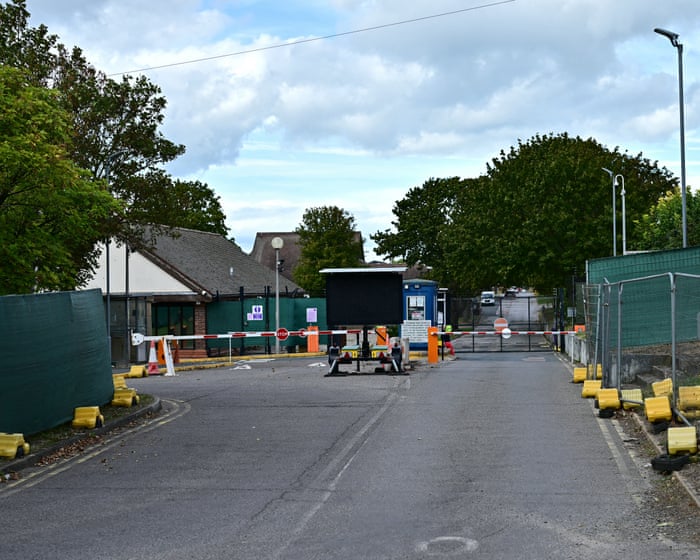
An independent inquiry in the UK is examining a wide range of failures at the Manston Home Office processing site in Kent, where people arriving by small boat are held. The inquiry covers the period from 1 June to 22 November 2022, under the Conservative government.
Manston was designed to hold a maximum of 1,600 new arrivals for no more than 24 hours, since it lacks proper sleeping facilities and other basic amenities. However, after ministers decided to pause transfers of many asylum seekers to other accommodation such as hotels, the site became dangerously overcrowded. At the peak of the crisis, up to 4,000 people were unlawfully housed there for several weeks, most sleeping on the floor in severely unsanitary conditions.
The inquiry heard of outbreaks of infectious diseases, including scabies and diphtheria, as well as reports of assaults and drug use by guards and racist abuse directed at detainees. One man died in the centre after contracting diphtheria.
Inquiry chair Sophie Cartwright KC heard evidence that both prime ministers in post during that period, Boris Johnson and Rishi Sunak, were involved in decision-making regarding Manston. A lawyer representing some participants said the decision to pause sending asylum seekers to hotels aligned with thinking at No 10.
Former home secretary Priti Patel has given evidence that funding to address the small boats issue, including for Manston and onward accommodation, was inadequate. Counsel to the inquiry said it would examine whether, at certain points, the entire operation at Manston fell outside the law.
One senior Home Office official wrote in a report that he was struggling for words to describe the worst conditions he had observed in his career. Evidence also described 60 families crammed into 11 rooms in a barracks building for nine days without hot water or showers, sharing a single toilet among 81 people.
No further hearing dates have yet been confirmed.