Machado questions Trump's oil deal with Venezuela's interim government
Venezuelan opposition leader María Corina Machado has criticised the US oil deal with Venezuela's interim government, saying the country's natural resources do not belong to an 'illegitimate regime'. She is treading carefully to avoid angering the White House while insisting the current leadership lacks a democratic mandate.
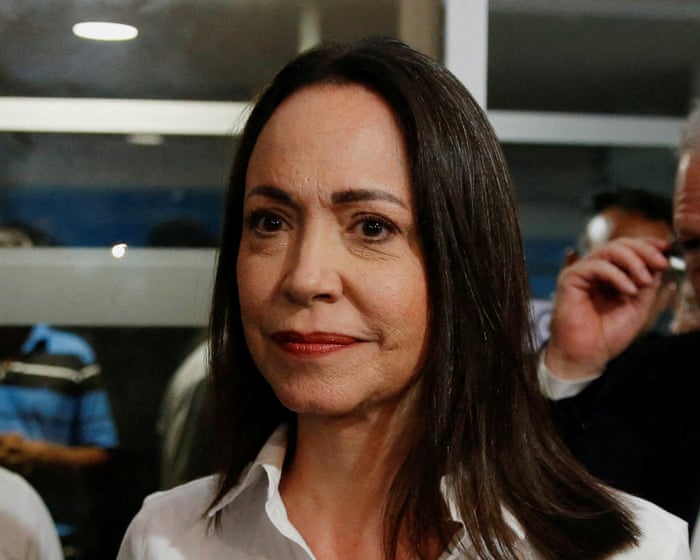
Venezuelan opposition leader and Nobel peace prize laureate María Corina Machado has spoken publicly for the first time about Donald Trump's recently announced oil deal with Venezuela, which the US president called 'the biggest oil deal in world history'.
In a video posted on social media, Machado acknowledged that the United States is the main partner Venezuela needs to fully develop its strategic potential, and that most Venezuelans support closer ties with Washington. However, she stressed that the current occupants of the Miraflores presidential palace in Caracas are 'enemies of the US' and lack the right or democratic mandate to negotiate over the country's natural resources. She said the wealth beneath Venezuela's soil belongs to its people, not to an illegitimate regime, and acknowledged that her supporters feel sadness and anger at being excluded from the decision-making process.
Vast oil reserves
Venezuela holds the world's largest proven crude oil reserves, estimated at 303bn barrels, of which more than 65bn barrels are covered by the agreement. Trump's deal was struck with the un-elected interim president, Delcy Rodríguez, who took power in January after her predecessor, Nicolás Maduro, was seized by US special forces.
Many had expected Trump to back Machado instead of Maduro, but he chose to support Rodríguez, warning that she would pay an even bigger price than Maduro if she did not act correctly. Machado has since been sidelined.
The White House says the deal will secure US 'energy dominance' for decades to come and exclude China and Russia from Venezuela's oilfields. US energy secretary Chris Wright said in Caracas on Wednesday that the goal was to massively grow production and economic opportunities in the country. Critics have described the arrangement as a predatory, colonial-style land grab, fearing it reduces Washington's incentive to push for new presidential elections. Both Trump and Rodríguez avoided giving a date for any future vote on Wednesday.