LVRTC: some eID card holders will get new e-signature solution, no need for a new card
LVRTC is developing a new remote qualified electronic signature solution for eID cards using the Cosmo 8.1 chip, which will no longer meet EU requirements. The new system must be rolled out by December, and users will not have to pay for it.
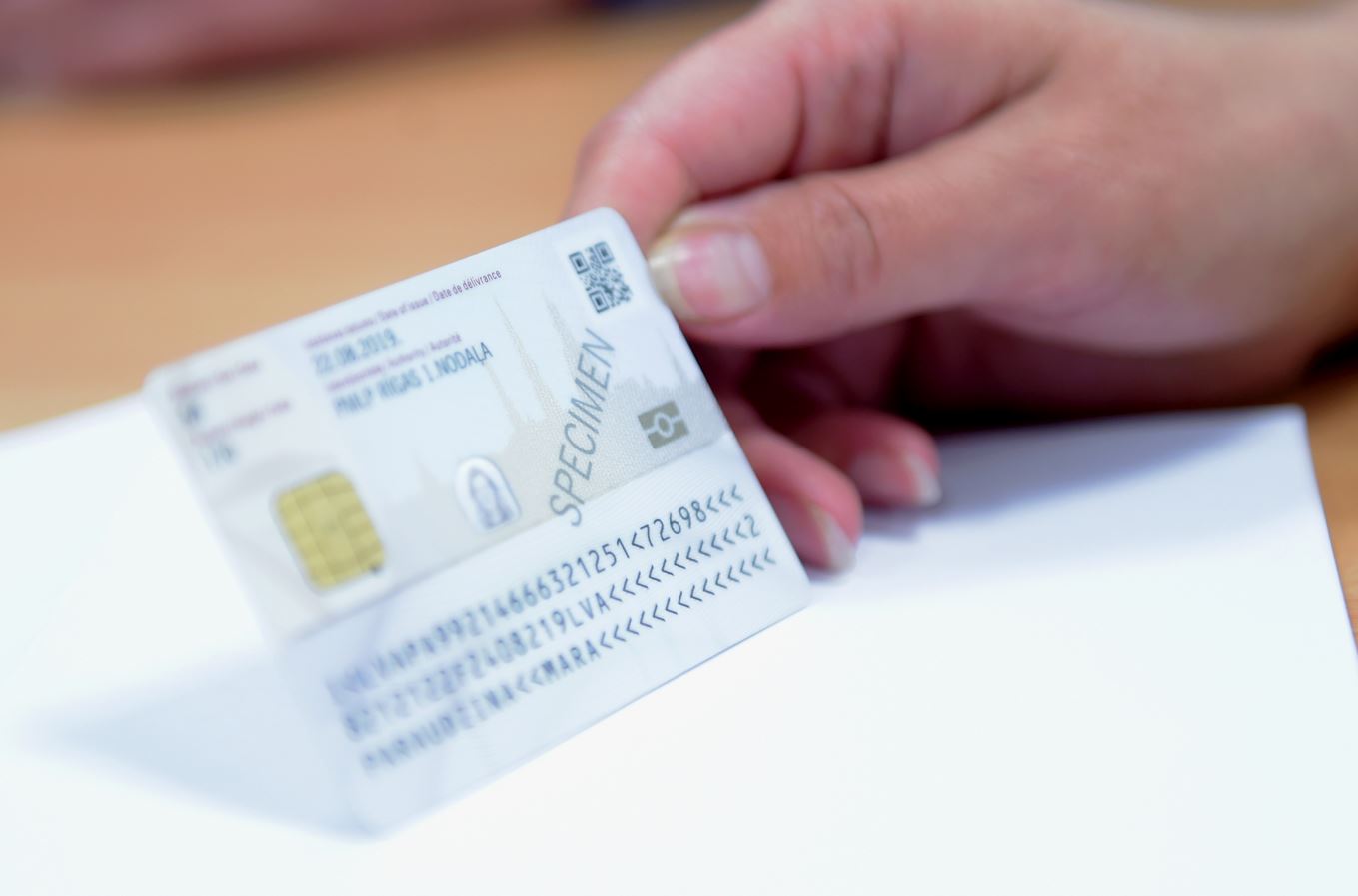
The Cosmo 8.1 chip used in some Latvian residents' eID cards will soon no longer meet EU requirements for providing a qualified electronic signature. LA.LV asked the State Radio and Television Centre (LVRTC) how this will affect cardholders.
Vineta Sprugaine, head of LVRTC's Corporate Communications division, explained that the eID card itself will not need to be replaced and holders will not have to pay for the new solution. LVRTC is developing a remote qualified electronic signature to replace the current chip-based one. Full rollout is planned by December this year.
Implementation timeline
LVRTC aims to finish developing the new solution by the end of August. September will bring testing and an international auditor's compliance assessment, and by early October the process should reach approval by the Digital Security Oversight Committee. Afterwards, systems and portals using eID-based signing will need to implement integration changes. In November, residents will be informed about the cancellation of the current signature in December and about access to the new solution. LVRTC notes some portals may implement the changes later than December, depending on their technical resources.
Why the chip became outdated
Cards with the Cosmo 8.1 chip were issued between September 2019 and January 2026, and to citizens until June 2022. While an eID card's validity period is ten years, its components require recertification against EU standards every five years. LVRTC stresses the change is not related to any security risk but stems from certification requirements, and a similar situation could arise with future chip generations as well. The change will not affect the card's use as an identity document or for identity verification.
Cost and how to check
LVRTC estimates the preliminary cost of developing the new solution at around 350,000 euros, covering withdrawal of the old embedded signature, development of the new solution, integration work, and the international audit. Users can check their card's chip version via the eidkarte.lv portal or the eID Scan mobile app. LVRTC urges residents to ensure their registered email address is current, as that is how they will be notified of the changes.


/nginx/o/2026/10/06/17957953t1h8808.jpg)