Emergency hospital admissions fell after London’s T-charge and Ulez, study finds
A new study from Imperial College London found that emergency hospital admissions in central London decreased after the introduction of the T-charge and ultra-low emissions zone (Ulez), particularly for heart and breathing problems.
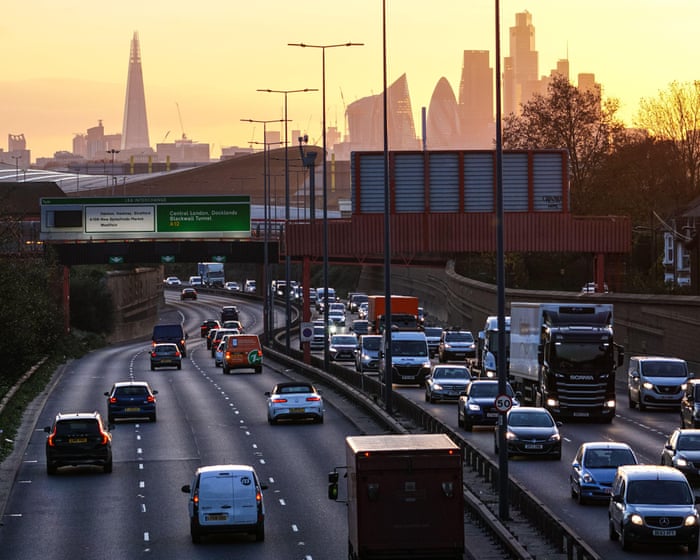
Emergency hospital admissions in central London fell after the introduction of the T-charge and the ultra-low emissions zone (Ulez), according to a study from Imperial College London. The research adds to growing evidence that clean air zones improve public health.
The T-charge, introduced in 2017, was an additional congestion charge for older, more polluting vehicles. Many vehicles were upgraded before the more comprehensive central London Ulez launched in 2019. Both schemes aimed to reduce air pollution from traffic.
Researchers examined emergency hospital admissions for people living in the zone, excluding cases such as accidents, burns, drug overdoses, and self-harm. Before the schemes, admissions were rising by 3% per year. After implementation, they fell by 3% per year. Specifically, heart problem admissions dropped by 8% and breathing problem admissions by 6%.
To ensure the changes were not due to other factors, the team compared the central London area with similar regions that did not have such schemes. The reduction in total emergency admissions and heart problems remained statistically significant when compared with these areas. For breathing problems, the decrease did not reach statistical significance. The researchers suggest this might be because the study only included adults, while children are particularly vulnerable to air pollution's respiratory effects.
Dr. Daniela Fecht, who led the study, said the reductions in hospital admissions are directly linked to the emission reduction initiatives. While other factors like increased walking and cycling or reduced traffic noise may contribute, she expressed confidence that the health improvements are due to air pollution reductions. The study provides clear evidence that clean air zones can bring public health benefits.

/nginx/o/2026/10/19/17982291t1hbb36.jpg)
