Lithuania renews push to end EU's twice-yearly clock change
Ahead of the switch to winter time at the end of October, Lithuania's transport minister is renewing efforts to get EU agreement on scrapping the biannual clock change, though experts remain skeptical of success.
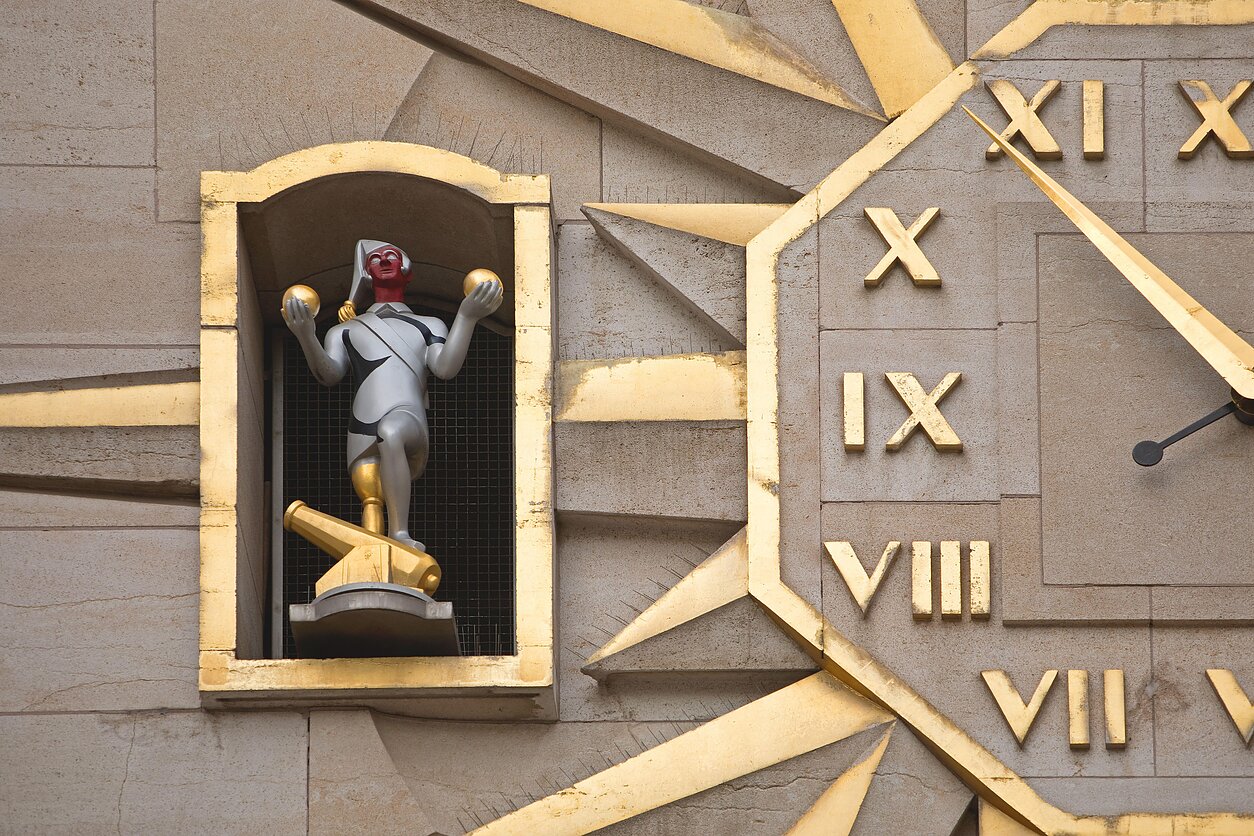
At the end of October, Lithuania and the rest of the European Union will once again set their clocks back an hour, shifting to winter time. For many, this twice-a-year ritual has long been a source of frustration, disrupting daily rhythms and affecting mood.
Transport Minister Juras Taminskas has spent the year trying to persuade Baltic and Nordic countries to agree on ending the clock-change practice. He jokes that even his dog doesn't understand the shift, since it changes the timing of walks. Taminskas hopes to raise the issue when Lithuania takes over the rotating EU Council presidency starting in January, though he admits reaching consensus, particularly with southern European nations, won't be easy.
Economic considerations
Žygimantas Mauricas, chief economist at Luminor bank, is more doubtful an EU-wide deal can be reached. He says the real sticking point isn't whether to abolish the clock change, but which time zone to keep permanently. Lithuania, along with the other Baltic states and Finland, currently follows Eastern European Time, one hour ahead of most of the rest of the EU.
Permanent summer time would mean brighter evenings and potential health benefits, but permanent winter time would align Lithuania more closely with Poland, an important trading partner alongside Germany. Mauricas estimates Lithuania would lose roughly 40 minutes of daylight under permanent winter time. He also points to the current arrangement as illustrating the absurdity of the situation: Spain and Poland, separated by nearly 3,000 kilometres, currently share the same time zone.
Past surveys in Lithuania have consistently shown public support for keeping summer time year-round, but the Transport Ministry does not plan a new poll, arguing it would simply entrench existing disagreements. Lithuania already has preliminary agreement with Baltic and Nordic neighbours in favour of permanent summer time, though Taminskas says the final decision should be made jointly by all EU member states through a vote.
For now, no agreement exists, so on the night of October 24-25 Lithuanians will once again turn their clocks back, gaining an extra hour of sleep but losing evening daylight.