Protected bats dying at Liepāja wind farm as company ignores shutdown order
Eighteen dead protected bats were found at the Rapsoil wind farm in Liepāja within two weeks, twice the permitted number. The Nature Conservation Agency ordered the turbines stopped, but the company has not complied and was fined €1,000.
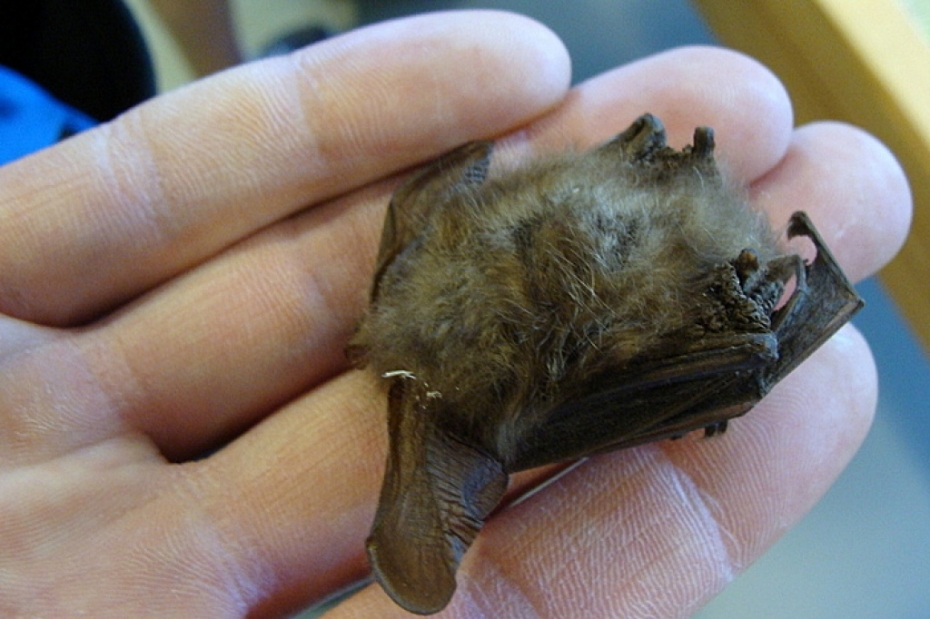
At a wind farm in Liepāja, Latvia, operated by the company Rapsoil, 18 dead specially protected bats were found within two weeks, twice the permitted number. The TV3 programme "Nekā personīga" reported this on Sunday. The Nature Conservation Agency (DAP), which oversees compliance with nature protection rules in Latvia, ordered the company to halt the turbines, but they are still operating. The company has been fined €1,000, denies any violation and intends to appeal.
Why the location is dangerous for bats
The wind farm lies between the sea and the Tosmare nature reserve, close to Liepāja's centre. Certified bat expert Renāte Kaupuža explained that the turbines are positioned perpendicular to one of Latvia's main bat migration corridors. The gap between the blades and the ground is also small, and this is the height at which bats concentrate. Gita Strode, director of DAP's nature protection department, said the area is a popular feeding ground, while bats hibernate in old bunkers nearby.
How the situation developed
After lengthy discussions the planned number of turbines was reduced, and this summer they began operating in test mode. The company had to carry out bat monitoring and stop the turbines immediately if more than two dead bats were found near any of them. In late August, when the turbines had been running for slightly over a month, 18 dead bats were found within two weeks.
Strode said the company was required to limit night-time operation and submit data proving it complied. No data arrived, so on 11 September DAP ordered the turbines stopped entirely until a specific bat protection plan was submitted. On the morning of 30 September, the programme confirmed the turbines were still turning.
Conflicting accounts
Rapsoil confirmed that dead bats were found, but said that until 30 September, when active migration ends, it had stopped the turbines at night when the temperature was below ten degrees and wind speed did not exceed six metres per second. The company says no dead bats were found during inspections on 22, 23 and 30 September. DAP stresses that it never approved these restrictions and that operational data has still not been provided.
The €1,000 fine is the maximum for such a violation. Strode admitted it is very small, since delays cost the company more. DAP may also demand compensation for environmental damage; for ten dead bats it could reach €39,000. How to calculate it is unclear, because the farm is in test mode and permitted-mortality requirements apply only after commissioning. DAP also suspects the real death toll is higher, as the turbines sit in a forest clearing and carcasses can only be counted on the turbine sites.
New wind farm oversight rules, which the Ministry of Climate and Energy has been drafting for over a year, could close the gaps. Adoption is delayed after several hundred objections were received in the latest round of coordination.
About the company
Rapsoil plans to operate 12 turbines with a total capacity of 57.6 megawatts. Founded in 2002, it is owned by the Lithuanian company Enervia. Last year its turnover was €30,508 and its loss €527,089.