UK chancellor plans major help for poorer households as energy bills set to rise
Chancellor John Healey is weighing more than £1bn in support for energy consumers in this month's budget, mostly by raising the discount for households on certain benefits. Forecasts suggest bills could climb by hundreds of pounds in January.
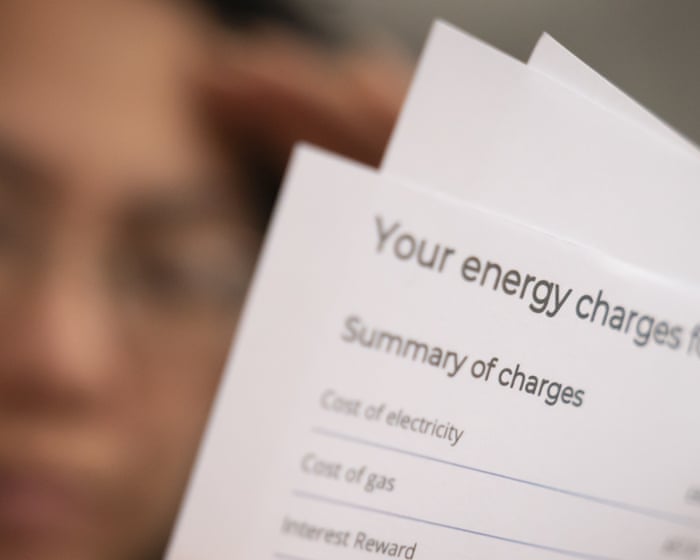
Chancellor John Healey is considering a major intervention to cut energy bills for poorer households in this month's budget. Ministers have become alarmed by forecasts showing bills rising by hundreds of pounds in January.
Healey is working on a plan to spend more than £1bn helping energy consumers, with most of the money likely to go towards a bigger discount for households on certain benefits. Sources say final decisions have not yet been made.
Larger discount
The most likely solution is an increase to the warm homes discount, currently £150. Healey is understood to be weighing a further £100, paid for by taxpayers rather than bill-payers, who fund the existing discount.
Government sources had earlier insisted that the VAT cut on electricity bills, announced by Andy Burnham soon after he became prime minister, would be the last support this year. But forecasts now show the Iran war could push the energy price cap up by as much as £442 in January, entirely erasing the effect of the VAT cut.
The energy secretary's proposal
Energy secretary Miatta Fahnbulleh has urged spending billions more to strip levies from bills altogether. That would cut bills for all consumers by as much as £120, with the levies, which fund renewable energy and efficiency schemes, paid through taxation instead. It would cost up to £3.2bn and would be hard to reverse if energy costs fell. Sources say Healey is set to rebuff the call.
After the budget
Energy officials are drawing up more radical changes that could follow the budget. These include a "social tariff", under which poorer households would pay less per unit of electricity, and a "rising block tariff", which would charge less for a set amount of essential use and more beyond it.
The chancellor also faces a cash crunch as he seeks funding for an extra £4.7bn in defence spending and to rebuild a fiscal buffer eroded by higher borrowing costs. He is likely to raise taxes, with higher bank taxes rumoured. A Treasury spokesperson declined to comment on rumour or speculation.