UK school leavers and new students to be offered meningitis B vaccine
The UK government has announced a one-off vaccination programme for teenagers and young people to protect against meningitis B after an unprecedented outbreak that killed three young people.
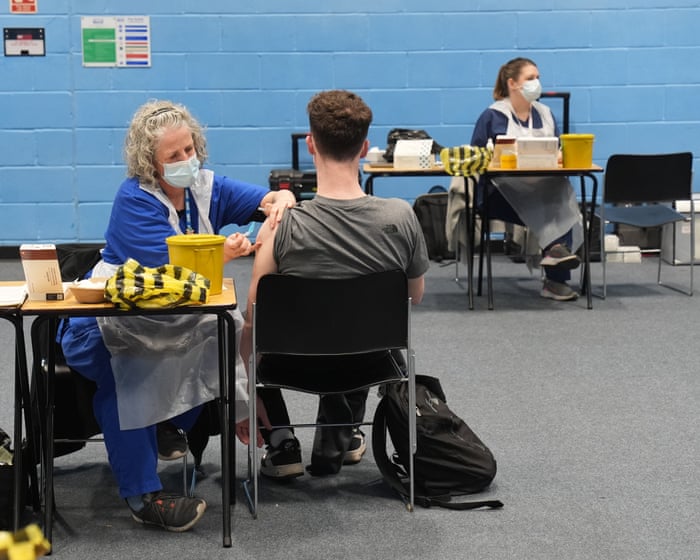
The UK government has announced that teenagers in their final school year and young people starting university will be offered two doses of a vaccine to protect against meningitis B. The one-off programme, beginning in late July, follows an unprecedented outbreak of meningitis B in Kent and clusters in Dorset and Berkshire that together resulted in three deaths among young people.
The vaccine, Bexsero, covers most strains of MenB bacteria and is administered in two doses at least 28 days apart, with protection lasting at least six years. It will be offered to all UK-born individuals between 1 September 2007 and 31 August 2008, as well as those under 25 starting university or moving into residential further education settings for the first time this autumn, including international students.
Health Secretary James Murray stated the programme targets those at highest immediate risk as they enter university and residential colleges, where factors like shared accommodation and large social networks facilitate bacterial spread. The UK Health Security Agency (UKHSA) notes that invasive meningococcal disease cases typically peak from October to November each year.
Eligible individuals will be contacted via the NHS app, text, and email, while those under 25 starting university can book appointments directly with pharmacies. While MenB bacteria are often carried harmlessly, they can cause meningitis or septicaemia. According to the NHS, up to one in ten bacterial meningitis cases are fatal, and survivors may face permanent health issues such as hearing loss or epilepsy.
Although the MenB vaccine has been part of the routine infant immunisation programme since 2015, it was not routinely offered to young people on the NHS, leading some parents to pay over £200 for private doses. Campaigners have called for expansion of the programme, which the Joint Committee on Vaccination and Immunisation (JCVI) is considering. Dr Shamez Ladhani from UKHSA described this as an emergency outbreak response covering about a million teenagers and young people. Professor Adam Finn from Bristol Children’s Vaccine Centre welcomed the move but noted uncertainty over cost-benefit. Alex Stanley, vice president of the National Union of Students, urged eligible young people to get vaccinated and hoped for a regular programme.


/nginx/o/2026/10/19/17982291t1hbb36.jpg)