UK bacon buyers increasingly choosing nitrite-free options amid health concerns
UK supermarkets are expanding ranges of bacon and ham cured without nitrites as shoppers grow more wary of additives, even though food safety authorities say there's no proof these products are actually safer.
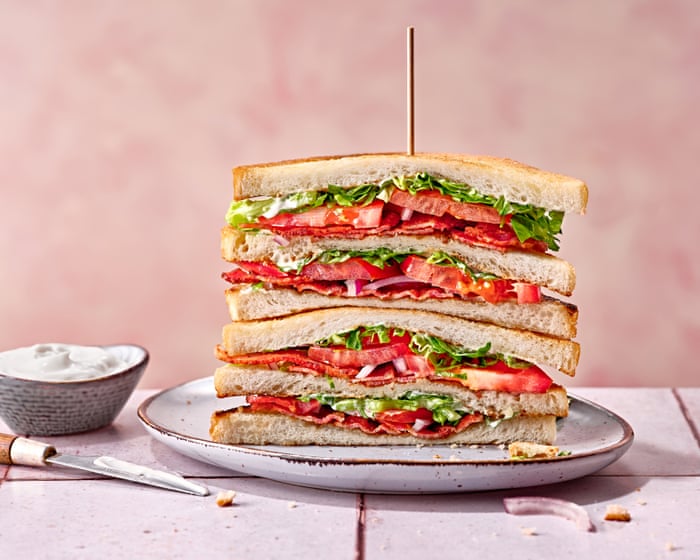
Major UK retailers have significantly expanded their ranges of nitrite-free bacon and ham over the past year, responding to growing consumer scrutiny of ingredient lists and a desire to avoid additives used in meat curing.
Devon-based producer Denhay began supplying two new nitrite-free back bacon lines to 570 Tesco stores from 21 September, each priced at around £4. Waitrose has doubled its own nitrite-free range over the past year, with sales up more than 34%, while its roast ham sales have climbed over 70% since launching in May.
Market data shows a shift
Market research data shows that in the 52 weeks to 6 September 2026, spending on nitrite-free bacon reached £34.8m, up 11.4% year on year, with volumes rising to 2.2m kg. Over the same period, both spending and volumes for conventional bacon declined.
Industry figures say the push has come from retailers and shoppers rather than meat processors themselves, describing the new products as an additional choice rather than a replacement for traditional cured bacon.
Experts caution against a false sense of safety
Nitrates and nitrites are used to preserve meat, helping prevent harmful bacteria growth while enhancing flavour and colour. The UK's Food Standards Agency (FSA) says the main concern is the formation of nitrosamines when nitrates or nitrites are consumed alongside protein-rich foods — a process less pronounced when nitrates come from vegetables, which also contain nutrients that limit nitrosamine formation.
The World Health Organization's cancer agency classifies processed meat as a Group 1 carcinogen, though the link between processed meat and cancer cannot be directly attributed to nitrites specifically. The FSA stresses there is no evidence that meat products made without nitrites are safer, and notes their removal creates additional food-safety challenges. Nutritionists add that a higher price tag does not automatically mean a healthier product.