UK urges three-day emergency stocks as public responds calmly to Be Ready campaign
The UK government's Be Ready campaign asks households to stock three days' worth of supplies for emergencies. Experts say there is no sign of panic, though interest in preparing has risen sharply.
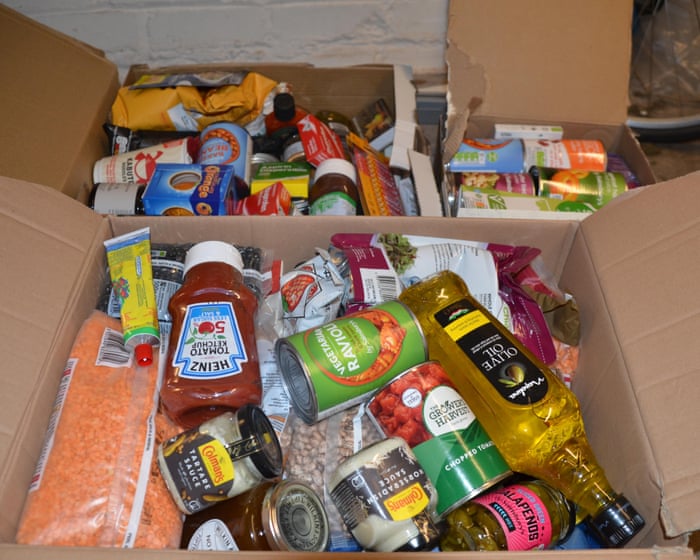
The UK government has launched a public information campaign called Be Ready, urging people to stock three days' worth of supplies in case of severe weather or cyber-attacks. The aim is to let help be directed first to the most vulnerable. There is no evidence so far that the campaign has triggered mass panic, but the public is clearly responding.
What the government advises
A two-page document suggests bottled water and non-perishable food for three days, a torch with spare batteries, a wind-up FM radio, a first aid kit and a copy of a passport. To discourage panic buying, it recommends checking cupboards first and building up items gradually during regular shopping trips.
Surge in demand
Jack Brown, co-owner of Sgt Prepper Shop, which sells emergency food and survival tools, said he received a month's worth of orders in the first 24 hours after the campaign began. He considers three days the right period, since most everyday emergencies such as power cuts, burst water mains or flooding are resolved within that time.
Dan Goss, who runs Start Prepping UK, said traffic to his website has risen 700% since news of the campaign emerged in August. He believes the risk of panic is low, as it would require an enormous number of people to take the advice very seriously at once.
Lessons from 1980
In 1980 the government ran a campaign called Protect and Survive, on how to survive a nuclear attack. It included advice on building a fallout room at home and whitewashing windows, and was met with scepticism and derision, as well as a political backlash.
Dr Sarita Robinson, associate dean for the school of psychology and humanities at the University of Lancashire, said there is little evidence that such messaging causes panic. In her view, accurate information encourages people to engage proactively, while problems arise when information is withheld. She also cited a Covid-era study in which people who prepared at a mild level before the pandemic reported lower anxiety, depression and stress.