Why bear attacks are rising fast in Japan
Japan sees a record surge in bear encounters and attacks, driven by habitat loss, fewer hunters, climate change, and a generation of bears losing fear of humans.
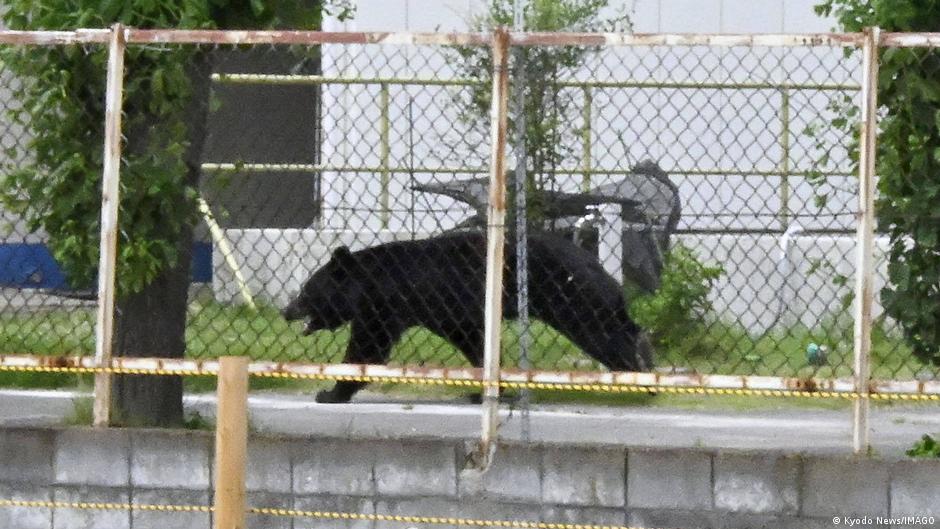
Jeff Kingston, an American academic who regularly hikes in Gunma Prefecture, credits his dogs with saving his life during a 2014 bear attack that left scars on his forehead, arms, and shoulders. He is among many rural residents who believe human-bear encounters will continue to increase, possibly with deadly outcomes. The Japanese government’s 2026 environment white paper, released last week, declares bears "a serious threat to public safety and peace," reporting over 50,000 sightings in the fiscal year ending March 31, with 238 injuries and 13 deaths—both records. Since April 1, 25 people have been injured and four killed in attacks, likely surpassing those numbers.
Encounters are no longer limited to remote areas. In early June, a large bear was captured on security cameras running through a shopping arcade in central Utsunomiya. Earlier, in Fukushima city, a black bear injured four people. In May, a Russian hiker was seriously hurt in Tokyo’s Okutama district.
Naturalist Kevin Short, a former professor at Tokyo University of Information Sciences, points to a combination of factors: loss of traditional feeding habitats like beech nuts and acorns forces bears into farmland and villages, where they find apple and persimmon trees and garbage. A decline in hunters has made bears bolder; studies on euthanized bears show lower stress levels and reduced fear of humans. Global warming also plays a role—warmer winters and early springs lead bears to emerge sooner and forage longer, bringing them closer to human settlements.
In response, the government encourages hunting as a pastime, while technology offers solutions. A Hokkaido firm, Ohta Seiki, has developed "Monster Wolf," a life-sized animatronic scarecrow with glowing red eyes, receiving 50 orders since April (more than an average year). Yusuke Fukazawa, an associate professor at Sophia University, created an AI system that predicts bear encounter risk within 1 square kilometer with 70% accuracy, using environmental and historical data. He aims to improve it further.

