Kudors: Russia Tried to Influence Latvia's Saeima Election
In a commentary after Latvia's parliamentary election, political analyst Andis Kudors writes that Russian attempts at influence were evident during the campaign, even though it passed relatively calmly. He contrasts the vote with Russia's State Duma election, where he says there is no real choice.
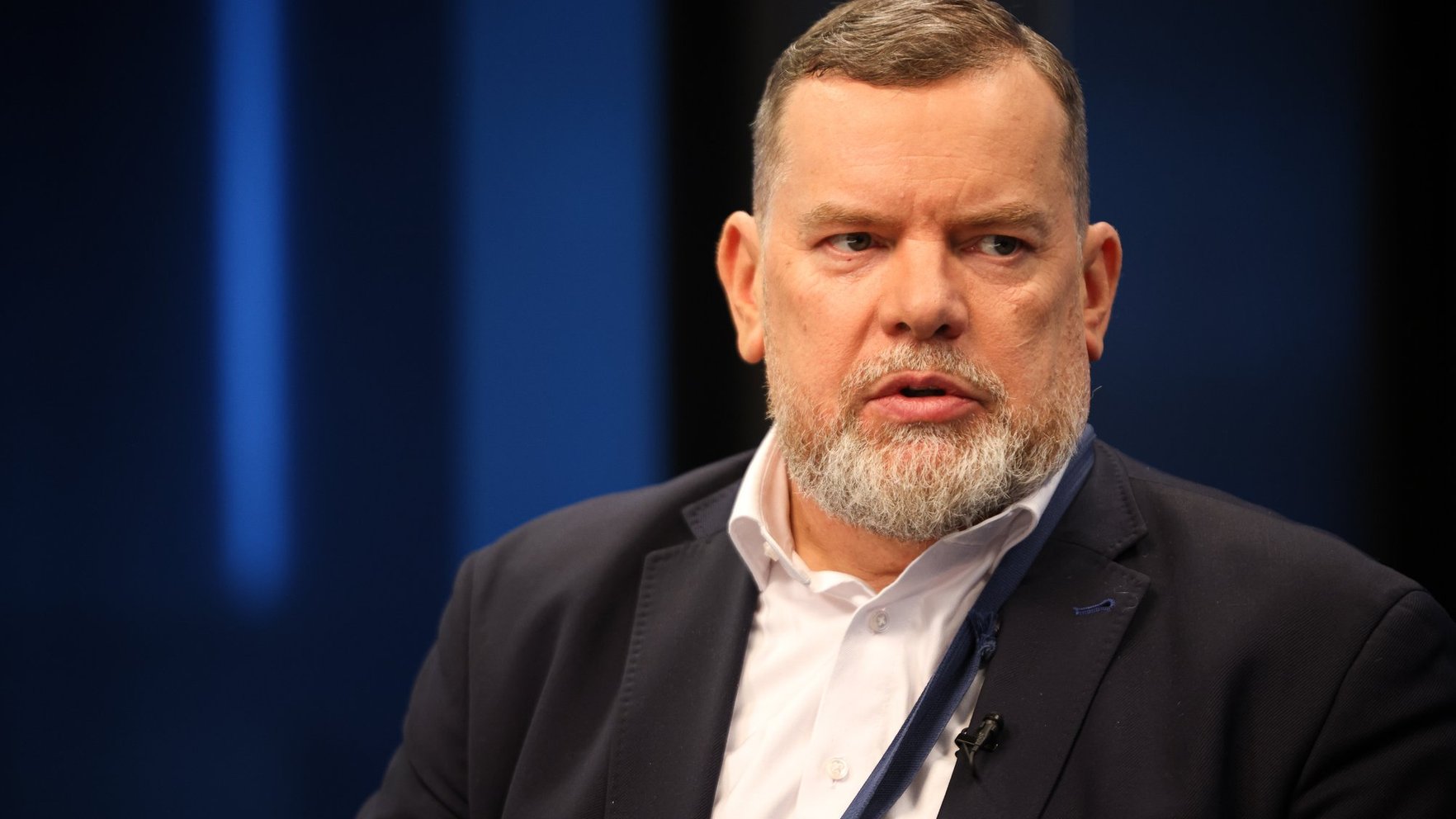
Latvia's Saeima (parliament) elections have concluded, and parties are now negotiating the formation of a new government. In a commentary for the Delfi portal, Andis Kudors writes that concerns about Russian attempts to influence the vote persisted throughout the campaign. They covered possible drones in Latvian airspace, cyberattacks, sabotage and information influence campaigns.
A calm process, but with influence attempts
The author assesses that the pre-election period passed relatively calmly. Even so, there were visible efforts to steer public opinion in a direction more favourable to Russia. Certain messages sought to undermine trust in the electoral system and in Latvia's membership of NATO and the European Union. Support for Ukraine remained one of the loudest topics in party debates, which also dealt with Latvia's future and security.
Contrast with Russia
Kudors describes going to the polling station in an uplifted mood and compares this with Russia's parliamentary elections this year. According to him, at the regional branches of major television channels, no candidate sometimes turned up for live debates. When candidates did appear, they competed in expressing loyalty to Putin and called for victory in what Russia calls its special military operation in Ukraine.
The author argues that Russia has only a ballot, not a real choice, since what matters is who counts the votes and how. He notes that Gennady Zyuganov's communists were allotted 37 seats, which is 20 fewer than before. After the election, Putin met the leaders of the "winning" parties.