Russian Regions Reintroduce Fuel Rationing as Ukrainian Drone Strikes Hit Refineries
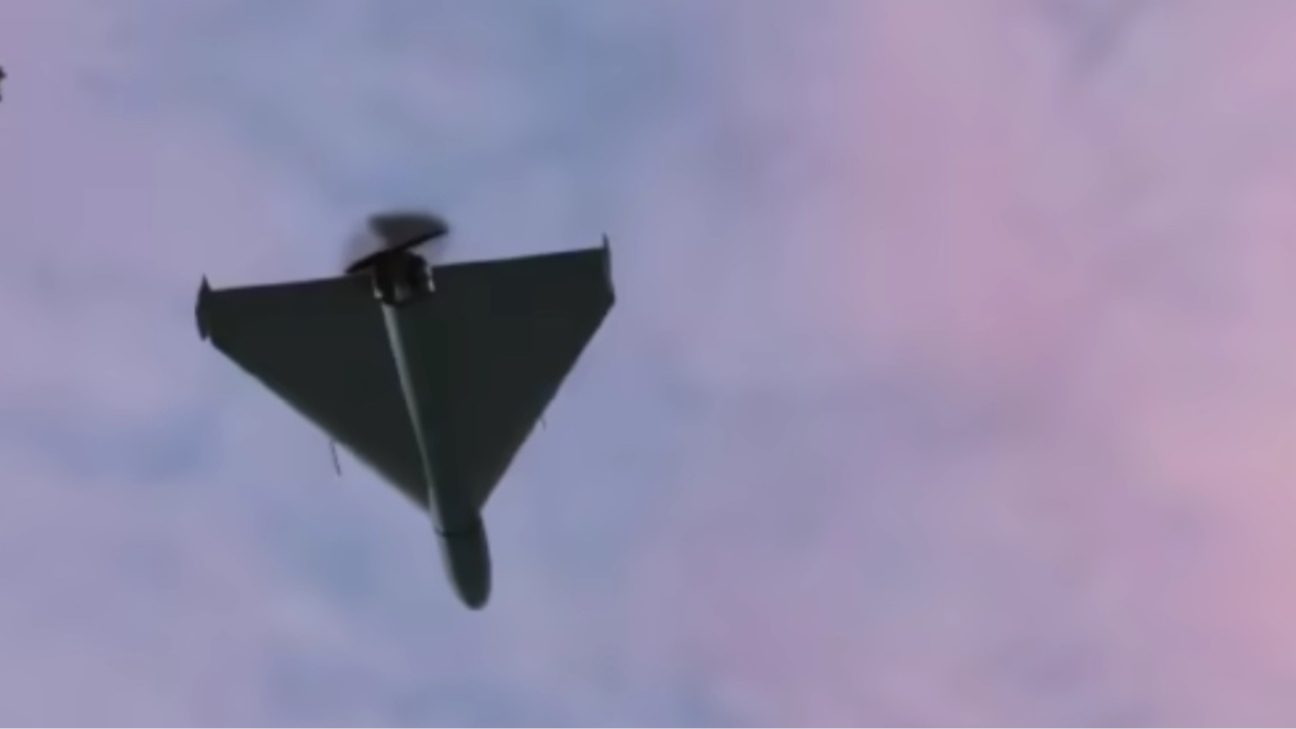
Several Russian regions are bringing back fuel purchase limits as Ukrainian drone strikes on oil refineries cause gasoline and diesel shortages. Fuel prices have risen 21% since the start of the year.
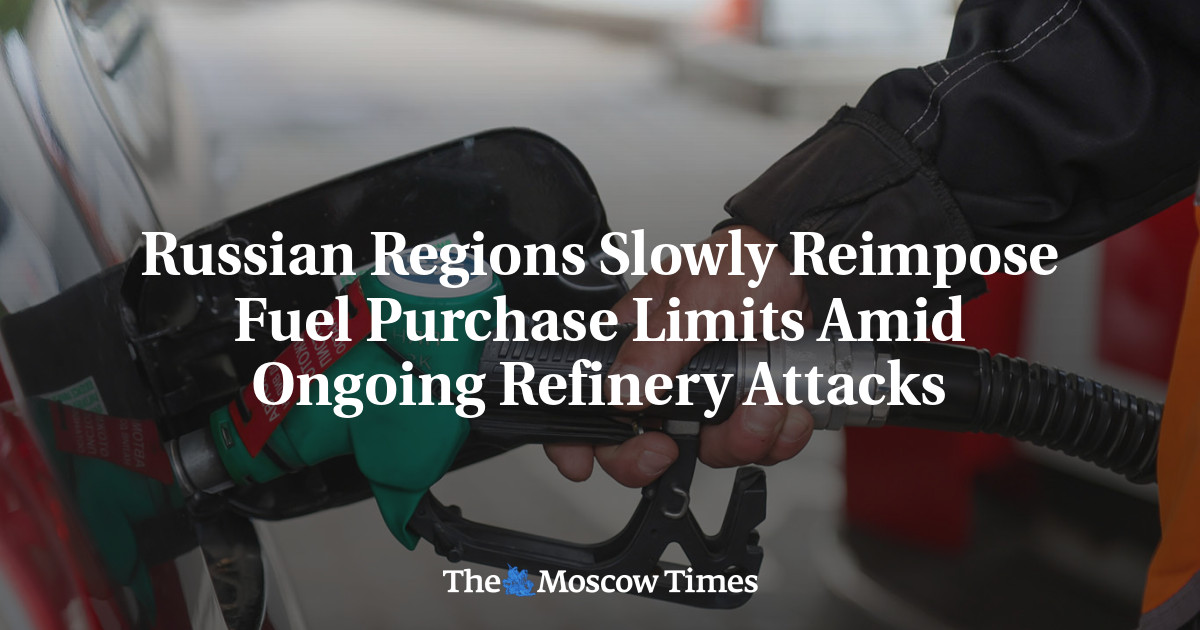
An increasing number of Russian regions have reintroduced fuel rationing in recent days as Ukrainian drone strikes on major oil refineries continue to cause gasoline and diesel shortages nationwide.
In the Kaluga region southwest of Moscow, Governor Vladislav Shapsha announced the return of an odd-even purchasing system based on vehicle license plate numbers, along with a ban on filling portable canisters starting Wednesday. Shapsha wrote on Telegram that queues have returned to gas stations, causing understandable frustration among residents.
In Siberia's Zabaikalsky region, authorities imposed a 15-liter cap per vehicle on AI-92 and AI-95 gasoline grades across 48 gas stations. Regional fuel reserves stand at roughly 17,000 metric tons, expected to last about 20 days. Officials noted that 106 of the region's 249 operating stations are still selling fuel without restrictions.
Both measures follow Ukrainian drone attacks on three major Russian refineries in Moscow, Samara and Ufa over the past three days. Ukraine's military claimed this week it has disabled more than 45% of Russia's refining capacity.
Leningrad region under pressure
Last week, authorities in the Leningrad region around St. Petersburg capped gasoline purchases at 30 liters per vehicle until at least Oct. 1. The region has been described as the epicenter of a second wave of Russia's fuel crisis, after an August attack knocked the Kirishinefteorgsintez (KINEF) refinery offline. Governor Alexander Drozdenko said nearly one in five independent and small gas stations have suspended operations because they cannot buy wholesale fuel on the St. Petersburg exchange, though oil companies expect supplies to stabilize in October.
The average price of gasoline in Russia has risen 21% since the start of the year, reaching 78.51 rubles per liter as of Sept. 14. Russia has banned gasoline exports through Jan. 31, 2027, and diesel exports until the end of October, in an effort to stabilize the domestic market.