Russia's oil revenue is drying up — and ordinary citizens are footing the war bill
New figures show that a temporary boost to Russia's oil revenue linked to the Iran oil situation has faded, leaving Moscow's war budget in worse shape than before. As a result, the Kremlin is increasingly turning to household taxation to keep funding the war against Ukraine.
Recent economic data indicates that Russia's oil export revenues have declined, deepening the budgetary strain caused by the ongoing war against Ukraine.
According to the available figures, a temporary revenue boost connected to the Iran oil situation has already come and gone. This means Moscow now finds itself in a worse fiscal position than before, as traditional hydrocarbon trade revenues can no longer cover rising war costs at the levels seen previously.
Burden shifting to citizens
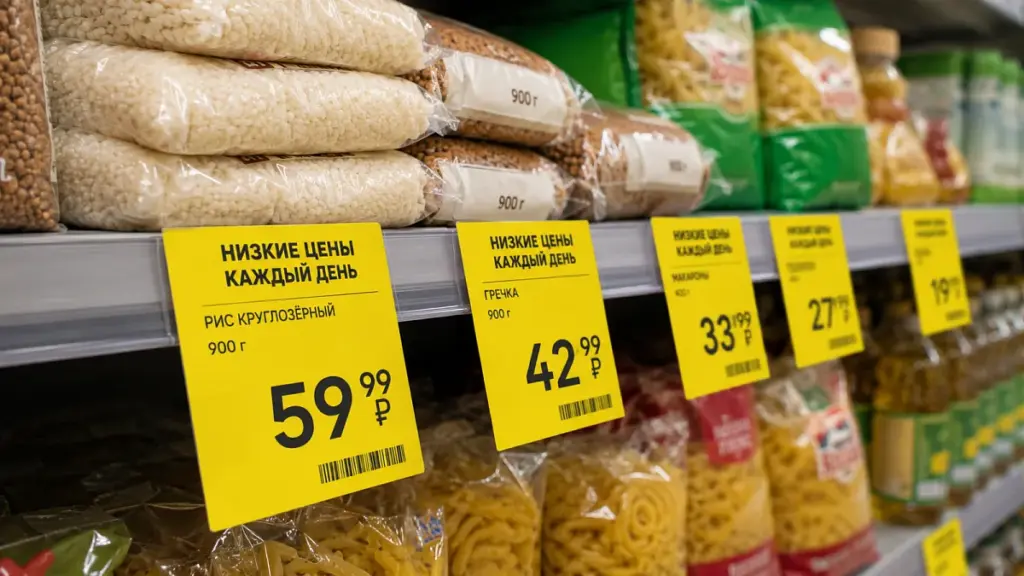
With oil revenues shrinking, the Russian government is seeking alternative ways to fill budget gaps needed to sustain the war effort. The situation suggests that a growing share of the financial burden is being shifted onto ordinary Russian citizens, including through tax measures affecting households.
This trend underscores how international sanctions and volatility in oil markets continue to constrain Russia's ability to finance its military campaign without tapping additional domestic resources. It points to mounting pressure on the Russian economy as the war drags on, with external revenue streams becoming increasingly unreliable while domestic fiscal tools are being used more intensively to keep the war funded.