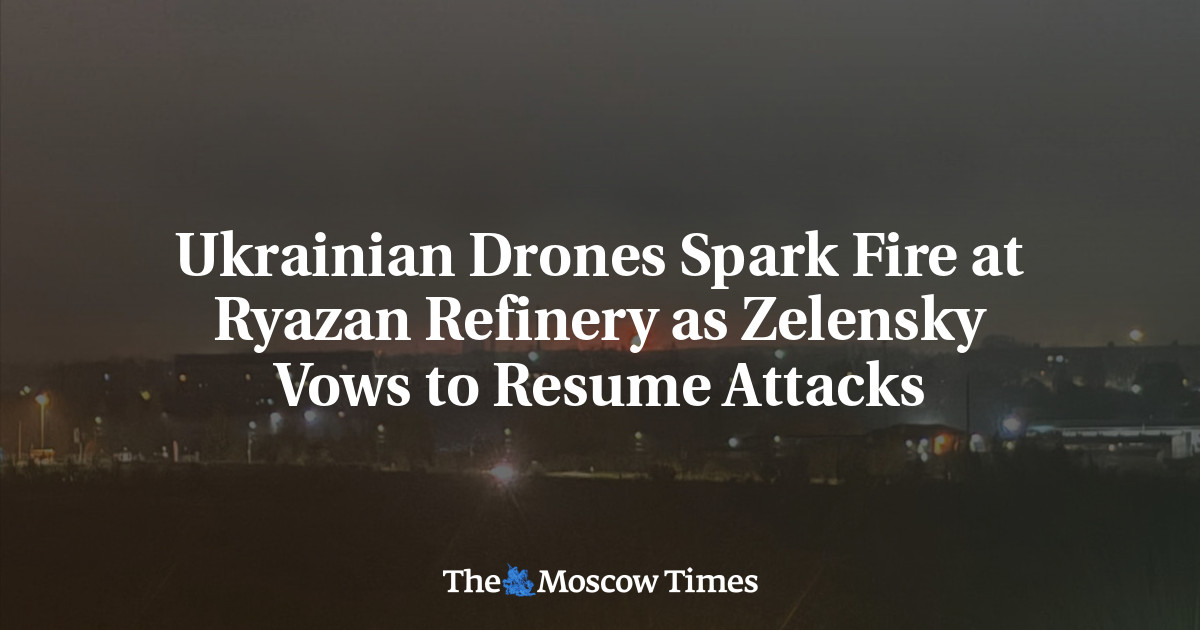
Russia Steps Up Strikes on Ukrainian Cities, Targeting Energy and Transport
Russia is increasingly hitting Kyiv and other Ukrainian cities, including energy and transport sites, hospitals and schools. Analysts believe the aim is to intimidate residents and push them to leave their homes.
Russia has continued to intensify its missile and drone attacks on Ukraine's capital Kyiv and other cities in October 2026, more and more often choosing energy infrastructure, bridges, railways, hospitals and educational institutions. Analysts assess that Moscow wants to make life in Ukraine unbearable and force residents out of their homes. This matters because the strikes affect civilians far from the front line and come as winter approaches.
Civilian toll
Peter Dickinson, an analyst at the Atlantic Council, a US think tank, says Kyiv has become as dangerous as, or even more dangerous than, cities near the front. Strikes have also hit kindergartens, hotels, data centres and transport infrastructure. Russia's Ministry of Defence, for its part, claims its attacks target military sites and facilities linked to weapons production.
According to Ukrainian data, 15,280 civilians were killed or wounded in Russian attacks from January to August, which is 55% more than in the same period last year.
Bridges and the economy
Bridges across the Dnipro river are especially important because they carry vital traffic and supplies. Analysts suggest Russia is trying to paralyse transport and complicate everyday life in cities. Attacks during rush hour point to the tactic being used deliberately.
Ukrainian President Volodymyr Zelensky told the Financial Times that Russia's goal is to make people leave cities en masse. Professor Phillips O'Brien of the University of St Andrews believes Moscow is trying to make Ukraine uninhabitable in order to force it to accept a ceasefire favourable to Russia, and he describes the tactic as terror.
Ukraine's Minister of Economy and Environment, Oleksandr Kravchenko, has said that every hour in which businesses must halt work because of air raid alerts costs the country roughly 45 million dollars.
Ceasefire initiative
The Kremlin says work continues on an energy ceasefire initiative proposed by US President Donald Trump. However, Russian presidential press secretary Dmitry Peskov has noted that the details of the proposal have not yet been specified.