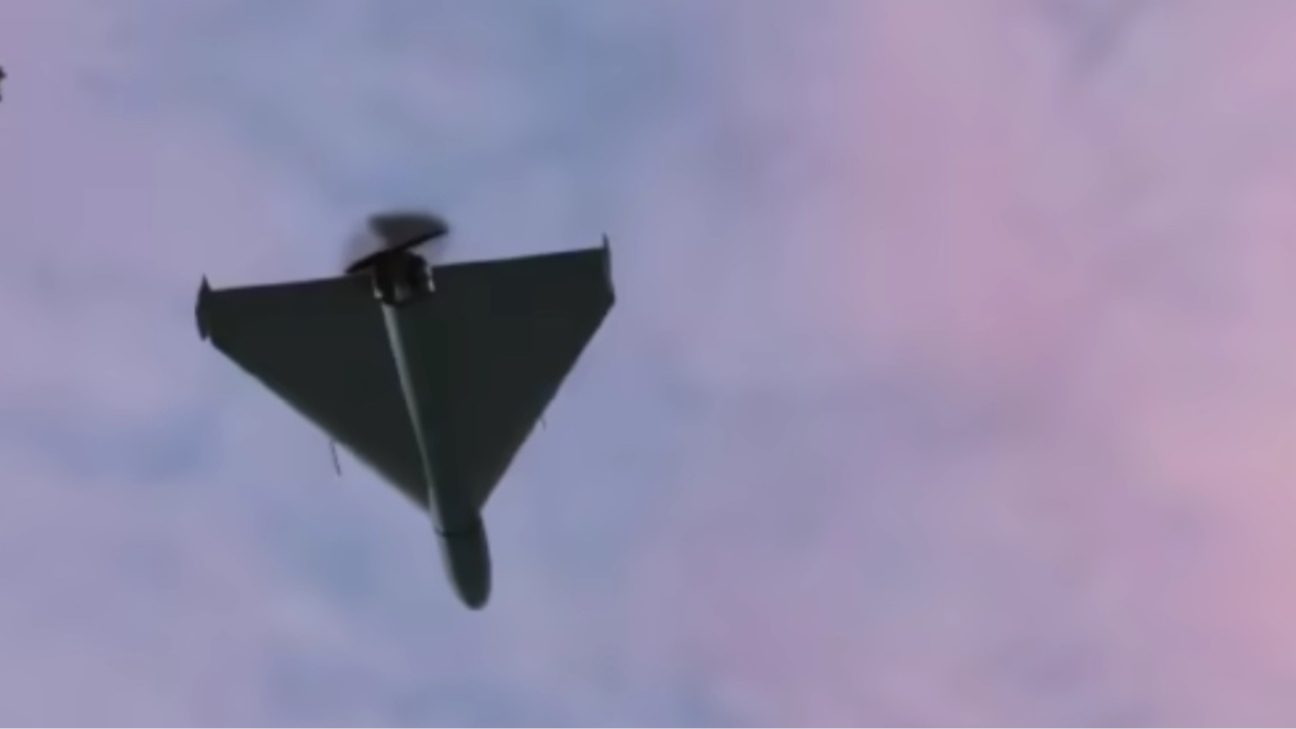
Russia strikes Ukrainian toilet paper maker's warehouse for second time with jet-powered drone
Russian forces have struck a warehouse belonging to Ukrainian hygiene products maker Snow Panda for a second time using a jet-powered drone, part of a wider campaign that has already destroyed 2.1 million square meters of Ukraine's warehouse space.
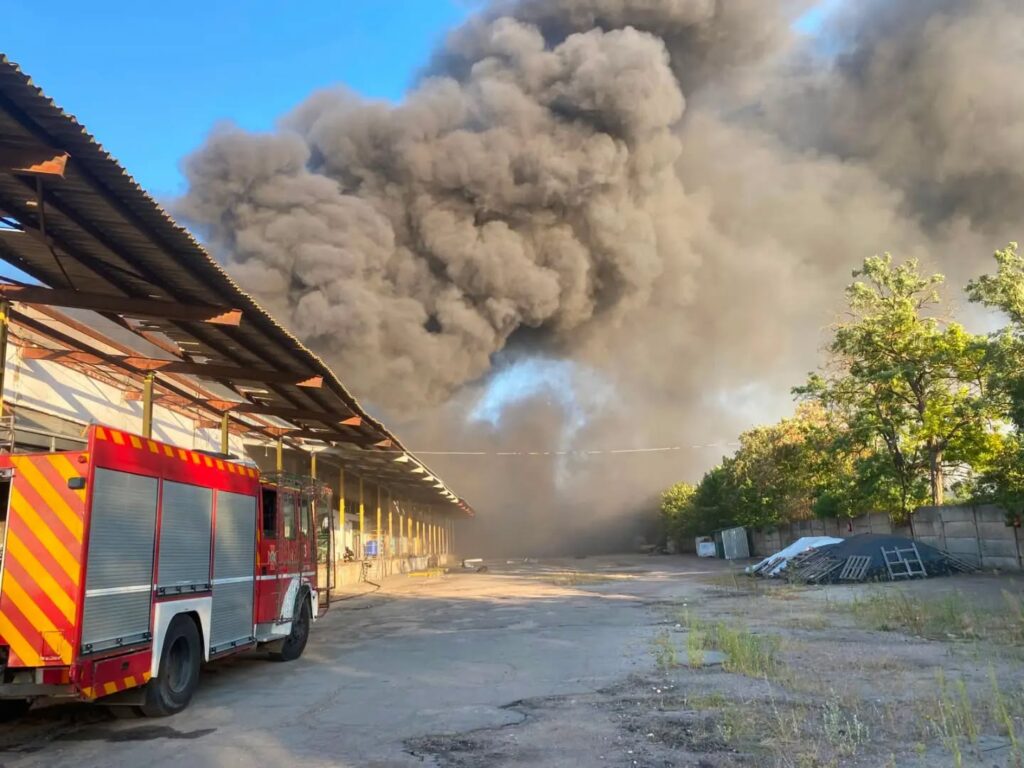
Ukrainian company Snow Panda, a maker of toilet paper and wipes, has lost a warehouse in a fresh Russian strike. This marks the second attack on the company's facilities — months earlier, a missile had hit its main production hub, injuring workers there.
The latest strike involved a jet-powered drone, a type of weapon Russia has increasingly used for long-range attacks across Ukrainian territory. This particular hit is not an isolated incident but part of a broader Russian campaign targeting Ukraine's logistics and storage infrastructure.
A wider campaign against warehouses
According to available data, this campaign has cumulatively led to the destruction of 2.1 million square meters of warehouse space across Ukraine. The scale of the figure suggests that Russian strikes on logistics facilities are not random or isolated events but form a systematic approach affecting a broad range of civilian economic sectors, from industrial plants to goods storage centers.
The Snow Panda case stands out because the company produces everyday consumer goods rather than military or strategically significant products. It illustrates that the range of targets in Russian strikes extends well beyond facilities traditionally linked to defense industry or energy infrastructure, reaching ordinary civilian manufacturing and its supply chains.
The repeated strikes on the same company — first a missile against the main production site, then a drone against the warehouse — indicate that such facilities can face renewed attack risk over time, with lasting consequences for company operations and for supply to the domestic market.