Russia drained the Kakhovka Reservoir — now it hides in the dry bed to creep toward Zaporizhzhia
Russian forces are reportedly using the drained Kakhovka Reservoir bed for cover while advancing toward Zaporizhzhia, though analysts disagree on how serious the actual threat to the city is.
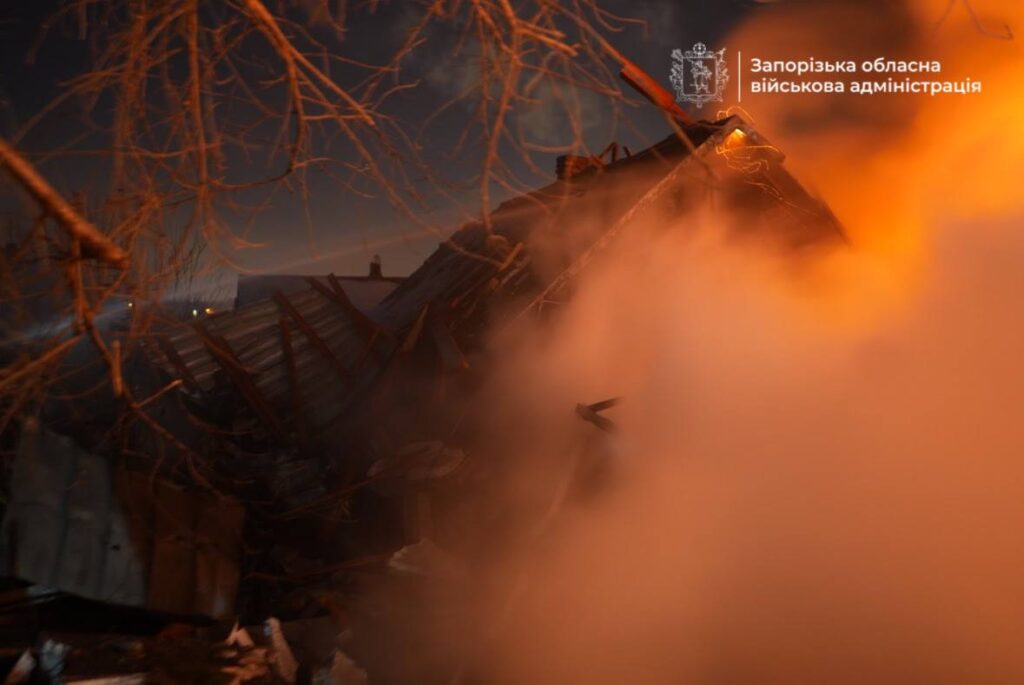
Russian troops continue to use the dried-out bed of the Kakhovka Reservoir as a concealed approach route toward the city of Zaporizhzhia. With the reservoir drained, the exposed terrain now offers a kind of natural cover that was previously unavailable when the area was submerged, allowing smaller units to move with reduced visibility.
Assessments of how serious this development is diverge sharply. A frontline commander has warned that small groups of Russian soldiers could slip into Zaporizhzhia itself by winter, using the dry reservoir bed as a route toward the city's approaches.
A leading analyst, however, rejects that forecast as far too categorical. According to this assessment, the broader trend along the front is actually moving in the opposite direction, rather than confirming a steady Russian advance toward the city.
Context
Zaporizhzhia is one of the largest cities in southern Ukraine and has remained close to the front line since the war's full-scale phase began. The Kakhovka Reservoir and its dam became a significant flashpoint in the war after the reservoir was drained, reshaping the region's landscape and creating new tactical conditions for both sides.
The disagreement between the frontline commander and the analyst reflects broader uncertainty in interpreting the situation in this southern sector of the front — one view sees a direct threat to the city, while the other insists the overall picture points the other way.

/nginx/o/2026/08/28/17880774t1h21ae.jpg)