How Russia is mass-recruiting Belarusians to fight in Ukraine
Russia's military is using social media and messaging apps to recruit Belarusians with promises of large payments and Russian citizenship, while Belarusian authorities neither confirm nor stop the practice.
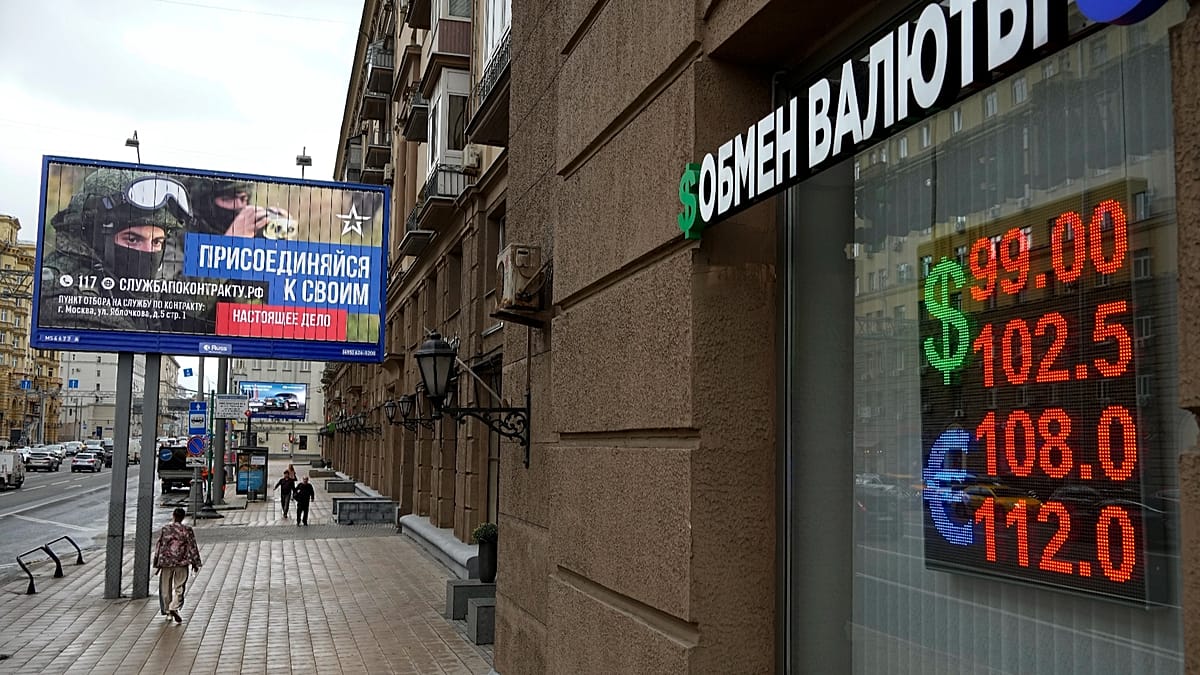
In recent months, the Belarusian corner of the internet has seen a sharp rise in advertisements inviting people to sign contracts with the Russian army. These ads circulate on Telegram channels, Viber chats and local community pages typically used for everyday matters like selling vegetables or finding a tutor. The trend has been documented by several investigative outlets, including DW, TVNET, CityDog and Current Time, as well as the human rights initiative Belpol.
On its Telegram channel, Belpol regularly shares examples of ads in which recruiters use Belarusian phone numbers to build trust, offering large payouts, help paying off debts, the "annulment" of past criminal convictions, and fast-track Russian citizenship. Screenshots posted online show offers of one-off payments running into millions of roubles along with rapid passport issuance.
What recruiters offer
Recruits are promised salaries, housing, food, a military pension and life insurance worth the equivalent of tens of thousands of euros. Some ads even mention "sorting out legal problems," even though taking part in an armed conflict abroad is treated as mercenary activity under Belarusian law, punishable by up to seven years in prison. Recruiters claim this isn't mercenary work but rather "service in the army of the Union State."
Who signs up
Most recruits are men from small towns and villages with low incomes, debts or existing legal troubles, many of whom don't grasp the consequences before being sent to the most dangerous front-line sectors — often to assault units with especially high casualty rates. The process follows a set pattern: contact with a recruiter, promises of payment and "legality," then travel to Russia via Smolensk or Pskov, followed by signing a contract, after which there is almost no way back.
Belarusian society has reacted with alarm, but complaints to the Interior Ministry go largely unanswered. The Lukashenka government does not officially acknowledge the recruitment but does nothing to stop it, given Belarus's heavy economic dependence on Russian subsidies. Analysts, including the Institute for the Study of War, warn that the legal framework of the Union State could be used to justify pressuring and mobilising Belarusians.

/nginx/o/2025/05/04/16821302t1hf64c.jpg)