Tree Breeding in Latvia: Not GM Trees, but Smart Selection
Tree breeding in Latvia is often misunderstood, but it actually involves long-term selection of the best trees to create more productive and resilient future forests.
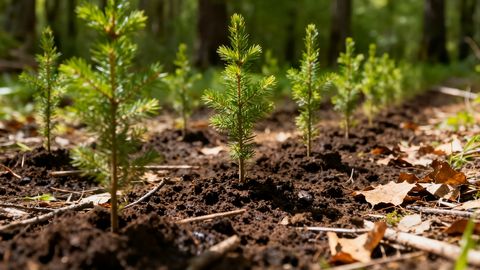
In Latvian forestry, the concept of "tree breeding" frequently causes unnecessary confusion. Many people associate it with genetically modified or artificially created trees, but in reality, it is a completely different practice. Breeding here means long-term and purposeful work centered on selecting the best trees.
Words like "clones," "genetics," and "breeding" often appear in public discourse and typically create unfounded prejudices. However, in forestry, these terms denote something much simpler – choosing trees with the most valuable characteristics. This is not artificial or unnatural, but rather a smart and sustainable approach to planning the future of forests.
The goal of breeding is to gradually shape future forest stands that would be more productive, higher in quality, and more resilient to various conditions. By selecting trees with better traits, foresters can improve forest health and productivity without resorting to genetic modification. It is a long-term strategy based on natural selection and human knowledge.
Although public discussion is often marked by misunderstanding, tree breeding in Latvia is a practice that helps ensure forest sustainability. It is not about artificial interference in nature, but about careful selection so that future generations can have stronger and more valuable forests.

/nginx/o/2024/07/10/16213791t1h1829.jpg)