China Clears Alibaba AI Models for Use in Apple Intelligence
China's Ministry of Industry and Information Technology has approved Alibaba's AI models to power Apple Intelligence on iPhones in mainland China. The system has not yet rolled out there, although it launched nearly two years ago elsewhere.
China's Ministry of Industry and Information Technology has approved the use of Alibaba Group's artificial intelligence models to power Apple Intelligence, the US tech company's integrated AI system, in mainland China. The decision clears the way for a rollout in one of Apple's fastest-growing markets, where the feature has so far been unavailable.
The approval covers Tongyi Qianwen, the family of large language models better known as Qwen, as well as Tongyi Wanxiang, a tool for generating images and video with AI. The information comes from the South China Morning Post, a Hong Kong newspaper owned by Alibaba Group.
Tied to the new phone launch
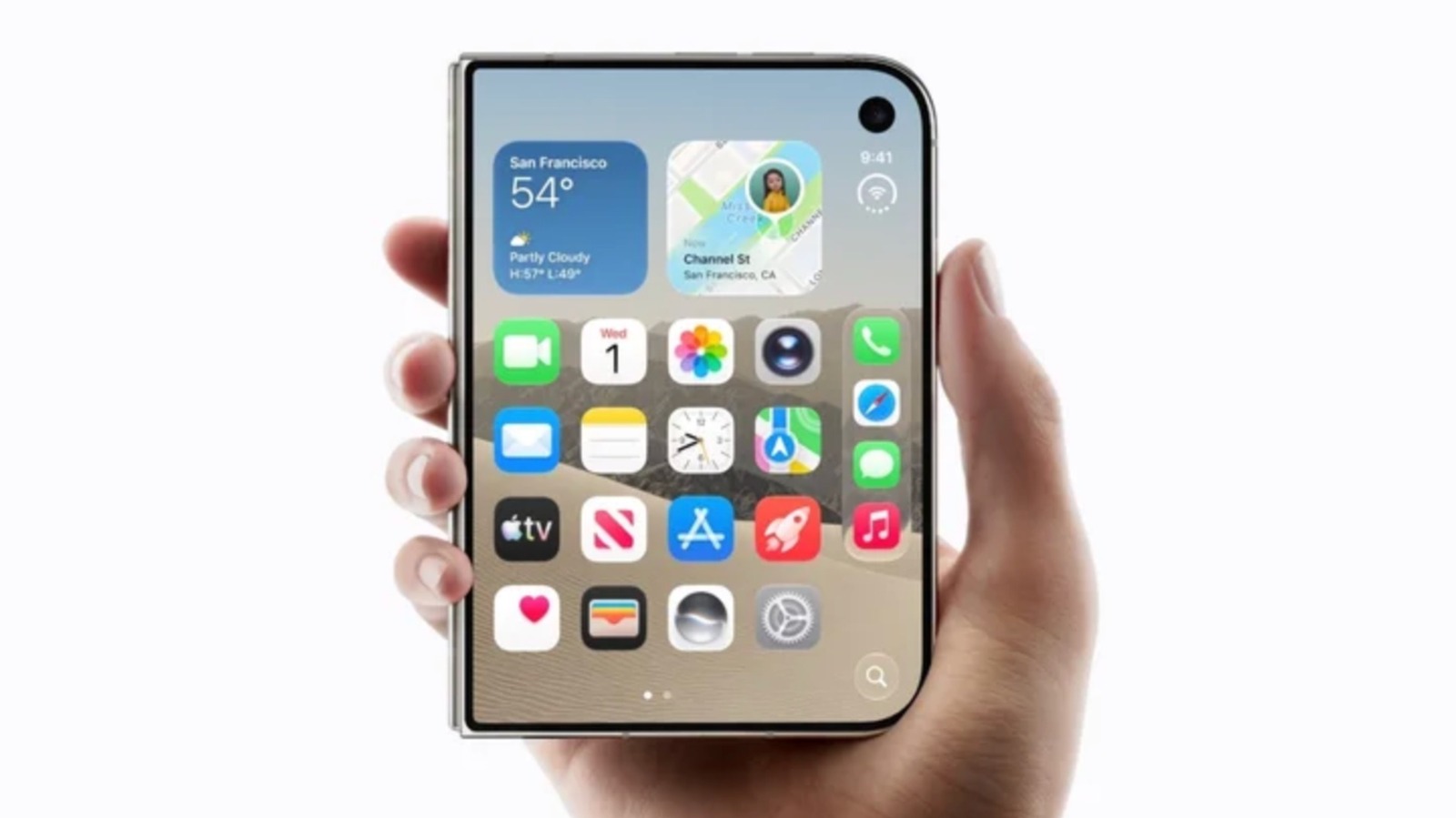
The updated filings include network access permits for the iPhone Duo and the iPhone 18 Pro. The former is due to go on sale in China next week, with the upgraded AI-powered Siri voice assistant as one of its main software features.
Apple had already received regulatory clearance in July to introduce Apple Intelligence on the Chinese mainland, but the South China Morning Post reports that the company has not yet done so.
Why the rollout was delayed
Much of Apple Intelligence's feature set is already available in Hong Kong. Mainland China's complex AI and privacy laws, however, forced the company to wait. The system now appears set to arrive almost exactly two years after its US launch. In the US, Apple works with both Google and OpenAI to train its models and to hand off complex questions.
Reports that Apple might partner with Chinese AI firms to bring the system to the country first emerged in early 2025, with Alibaba named at the time. In the summer, it was confirmed that Qwen would be central to Apple Intelligence on compatible iPhone, iPad, Mac and Vision Pro models sold to Chinese customers.