Cardiologist explains when low blood pressure may signal a problem
Cardiologist Iveta Mintāle explained on TV24 which factors influence low blood pressure and when it's worth consulting a doctor. She said a drop in systolic pressure below 110 or 100 mmHg may warrant finding out the cause.
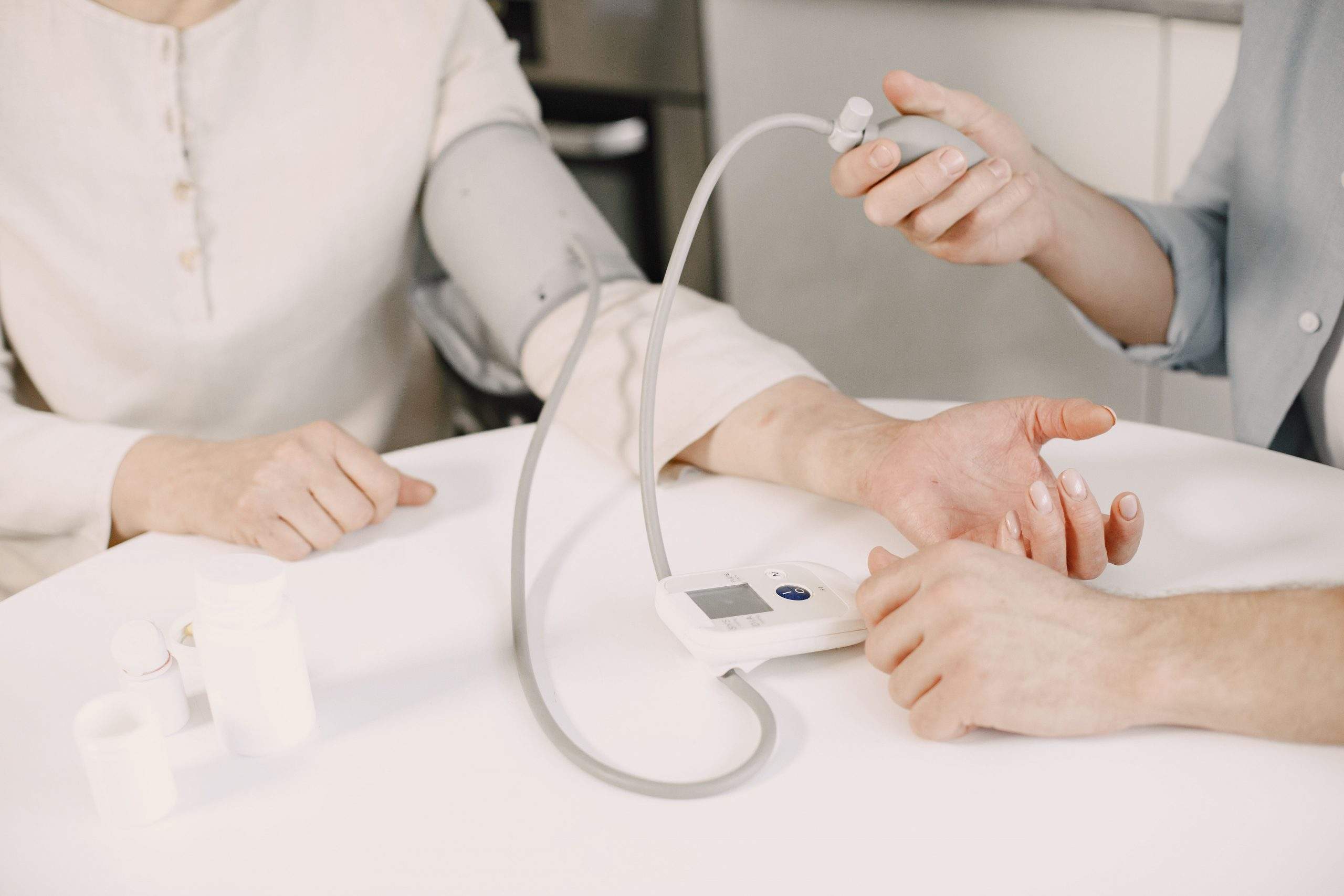
Iveta Mintāle, vice president of the Latvian Society of Cardiology, addressed a viewer's question about the causes of low blood pressure during the TV24 program "Uz līnijas," explaining which factors can affect it and when such changes should be discussed with a doctor.
The cardiologist said that when assessing low blood pressure, it's first important to know the exact readings, as well as a person's daily habits and any medications they take, since these can influence blood pressure levels. According to Mintāle, low blood pressure can also result from insufficient fluid intake, while it can naturally drop during complete rest as well.
When readings become a concern
Mintāle explained that a blood pressure of 120/80 mmHg is considered normal, with the diastolic, or lower, reading also acceptable at around 70 mmHg. If the systolic, or upper, reading drops below 110 or even 100 mmHg, she said, it would be worth determining the reason behind such a decline.
At the same time, she stressed that lower readings alone don't always indicate health problems. Blood pressure can naturally be lower after intense physical activity, early in the morning right after waking up, or during complete rest. Therefore, according to the cardiologist, the conditions under which a measurement was taken must also be considered when evaluating the results.
/nginx/o/2026/07/09/17771864t1h0152.jpg)

/nginx/o/2025/07/28/17036373t1haa64.png)