Royal Navy reports 25% rise in time spent monitoring Russian vessels near UK
The Royal Navy spent 21 days in July tracking Russian warships around UK waters, a 25% increase compared with the same month last year. The Ministry of Defence points to a broader rise in Russian naval activity in the region.
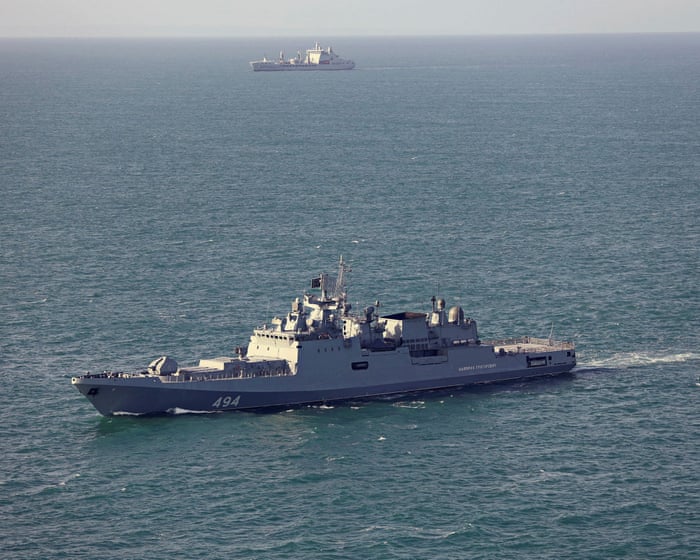
The Royal Navy has reported that it spent 21 days in July monitoring Russian warships near the UK, marking a 25% increase in time devoted to such operations compared with the previous year. Vessels made repeated passages through the Dover Strait and North Sea during the period.
The operations involved offshore patrol vessels HMS Tyne, HMS Mersey and HMS Severn, supported by Wildcat helicopters from 815 Naval Air Squadron and Merlin submarine-hunting aircraft. These assets shadowed the Russian frigates Neustrashimy and Admiral Grigorovich, which escort so-called shadow fleet tankers.
A wider pattern
According to the Ministry of Defence's annual report published last month, Royal Navy vessels were activated 116 times in the year to March 2026, shadowing 61 Russian warships and 28 merchant vessels in UK waters. This represents a 30% rise in Russian naval activity over the past two years, including efforts to deter the spy ship Yantar, spotted near undersea cables off Scotland last November.
Russia has been accused of using an ageing shadow fleet of vessels to circumvent international sanctions on its oil exports and fund the war in Ukraine. The rise in activity follows the seizure of the tanker Smyrtos by Royal Marines in June — the first time British forces have directly boarded a shadow fleet vessel.
The Ministry of Defence said the need to divert ships to escort the shadow fleet was consuming valuable Russian operational capacity. The UK has already sanctioned more than 500 vessels, contributing to a 24% year-on-year fall in Russia's oil and gas revenues in 2025.
HMS Tyne also monitored a live-firing exercise by the Neustrashimy outside British and French waters on 20 July. Separately, the frigate HMS Somerset has spent four months on a Nato deployment searching for submarines in the North Atlantic, supported by Fleet Air Arm helicopters.


