Why the Xbox Series S costs so much less than the Series X
The price gap between Microsoft's Xbox Series S and Series X comes mainly from the missing disc drive, lower processing power and less memory. Engadget compares the two consoles and explains who each suits best.
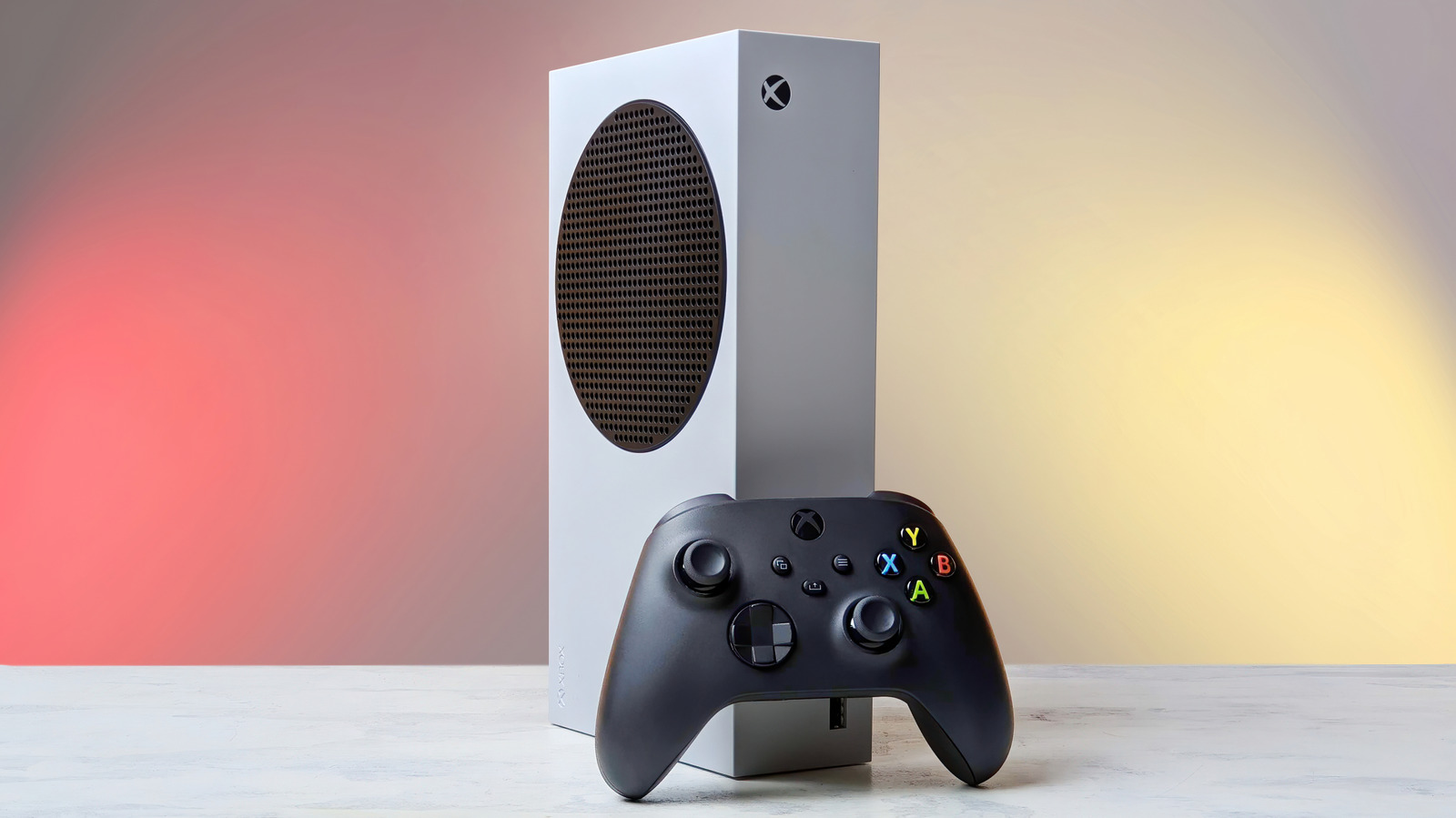
Microsoft's Xbox Series S game console remains relatively affordable, even though both current-generation Xbox consoles have become more expensive since launch. Technology site Engadget has laid out how the Series S differs from the pricier Series X and which kind of player each one suits.
What sets the two consoles apart
The Series S is a digital-only device with no disc drive. A disc-free version of the Series X also exists and costs $50 less, but its other hardware is the same as the standard model. The base Series S has 512GB of storage, while a 1TB version costs $100 more. The Series X comes with 1TB; a 2TB model was discontinued by Microsoft in 2026. Storage on either console can be extended with an expansion card.
The Series X delivers 12 teraflops of processing power and targets 4K resolution. The Series S has 4 teraflops and reaches up to 1440p in most games. Both can run at 120 frames per second. Each uses a custom AMD Zen 2 processor, though the Series X chip runs at a higher clock speed. Both have an AMD RDNA 2 graphics processor, with 52 compute units in the Series X and 20 in the Series S. The Series X has 16GB of RAM, compared with 10GB in the Series S.
Which one to pick
Players without a physical game collection, or those who mostly use the Game Pass subscription service, are unlikely to miss the disc drive. Those who want to buy games on disc are better served by the Series X. The Series S is about 60 percent smaller, so it fits more easily into an entertainment center. It supports 4K upscaling, but not native 4K.
Engadget adds that people reluctant to buy a console this far into its lifecycle could wait for Microsoft's next family of devices, Project Helix. The company plans to send alpha hardware to developers in 2027, so a final product would likely come later. The outlet expects these devices to be almost certainly pricier than the Series X or S.