How to keep a smart home working when the internet goes down
Tech site Engadget explains how to build a smart home that keeps working during internet outages. The key is choosing devices that use a local hub and have their own backup power.
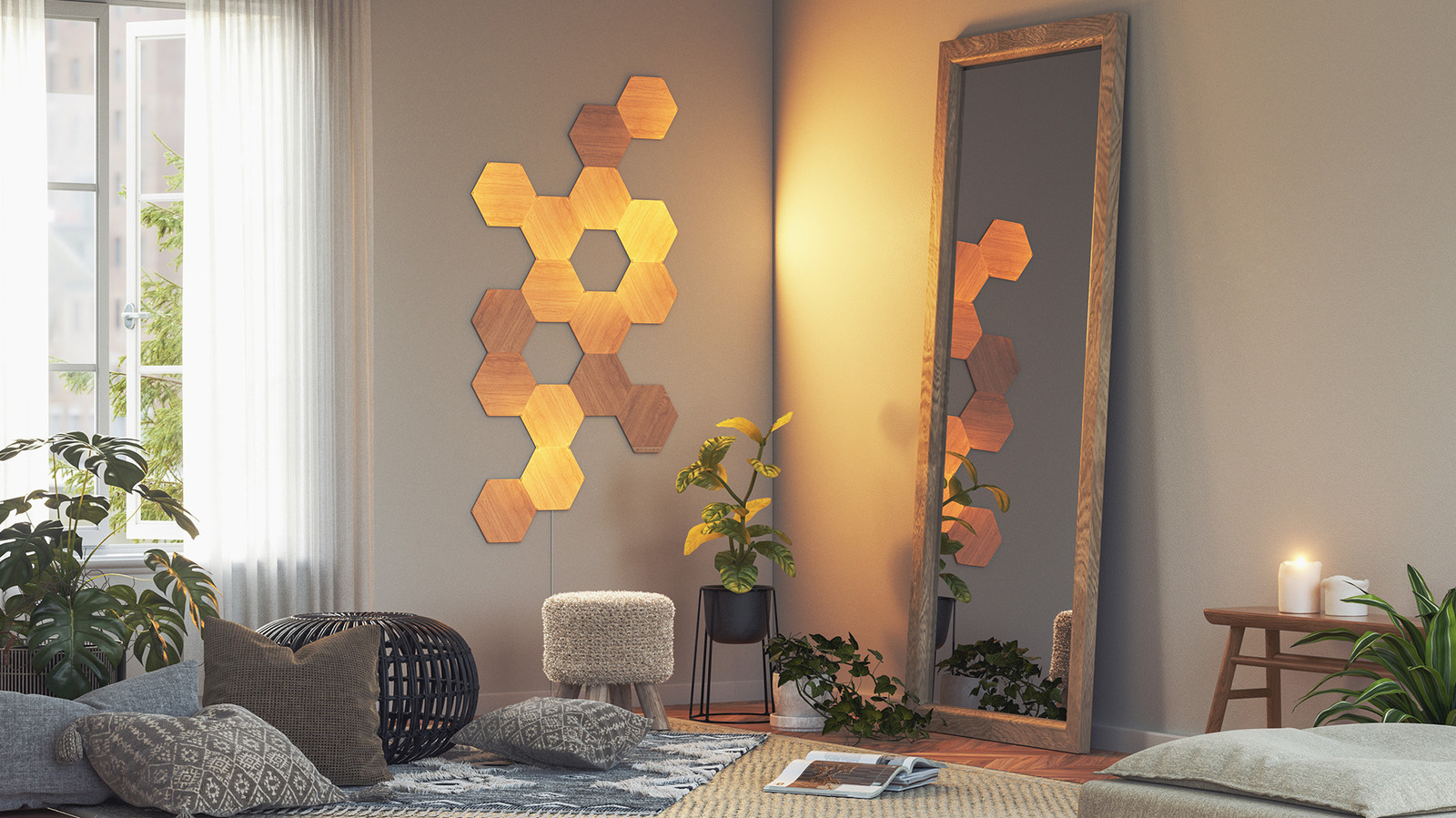
Tech site Engadget has published advice on keeping smart home devices running when internet access is lost. The topic is timely because Apple, according to the article, is developing new smart home products. Most of the time an outage is just an inconvenience, but if a device is relied on for health or security, it can become a serious problem.
Why devices go "dumb"
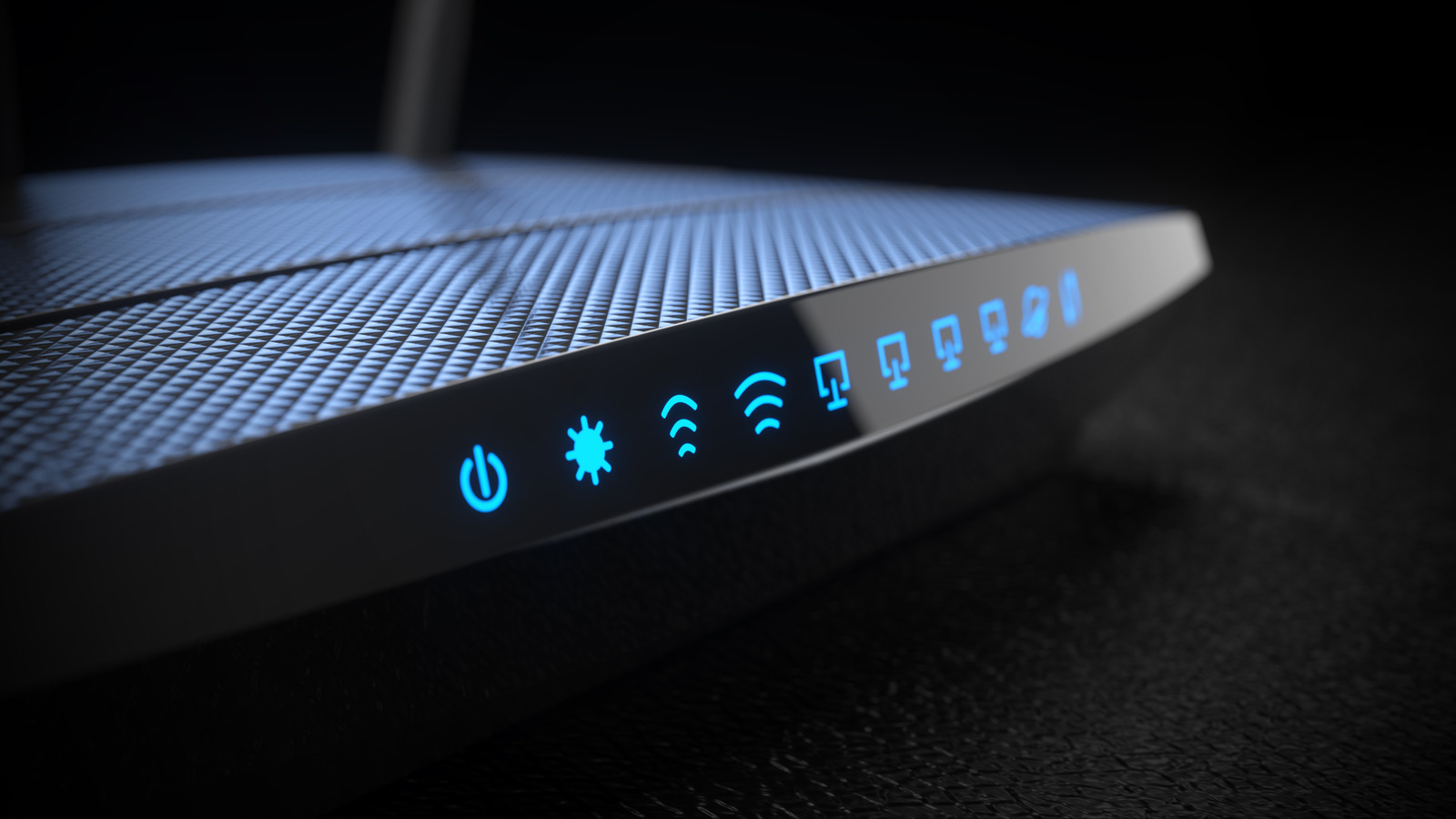
Many accessories connect straight to Wi-Fi and fetch instructions from a cloud server. They are easy to set up, but if the internet or the router fails, they may be unable to store and run automations themselves. Some may not even switch on and off on schedule.
Hubs and radio standards
The advice is to choose accessories that route through a local hub. The hub still connects to the internet, but it can store and process many automations locally as long as there is power. The exceptions are automations that need live data, such as current weather. Anyone installing a security system in an area with frequent outages should add cellular backup.
In Apple Home, HomePods and Apple TVs can serve as hubs. Some security cameras can record to local hub storage. Matter-enabled smart speakers and displays can run offline commands in theory, but the authors say Amazon and Google do not really make use of this in practice.
The most dependable hubs, the article says, link devices through Thread, Zigbee or Z-Wave radios rather than Wi-Fi. These are low-power, low-bandwidth mesh standards, which limits them mainly to lights, locks and sensors. The Zigbee-based Philips Hue Bridge is given as an example.
Power supply
Whole-home battery backup costs thousands or tens of thousands of dollars, so it is unrealistic for many people. A compromise is to pick accessories with their own redundancy, such as the Philips Hue Go, which has a battery and can keep shining for hours without AC power. Smart thermostats keep following their last schedule as long as the HVAC system has power. The authors advise thinking ahead when shopping instead of simply picking the cheapest or slickest option.