How Russia turned S-400 air defence missiles into a weapon of terror against civilians
Russia fired 24 ballistic missiles at Ukraine overnight on 4-5 August, including S-400 rounds, with Kyiv Oblast hit hardest, and Ukraine's air defence failed to shoot down a single one amid a shortage of Patriot interceptors.
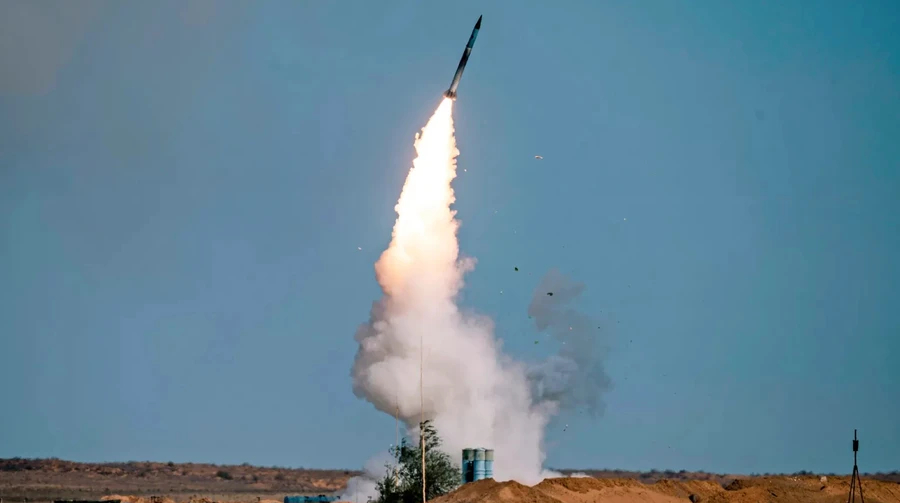
Overnight on 4-5 August, Russia launched 24 ballistic missiles at Ukraine, which the Ukrainian Air Force classified under the combined Iskander-M/S-400 designation. Kyiv Oblast bore the brunt of the attack, and Ukrainian air defence units, hampered by dwindling stocks of Patriot interceptors, were unable to bring down a single missile.
Notably, the S-400 system was originally designed as an air defence platform meant to intercept incoming missiles, not to strike ground targets. Russia has nevertheless repurposed it for offensive use, ramping up production, extending its range to reach Kyiv, and significantly broadening its strike capabilities.
Inaccuracy adds to the danger
These converted missiles travel at very high speeds, making them difficult to intercept. At the same time, their poor accuracy makes them especially dangerous for civilians, since they can strike unpredictable locations, including residential areas, rather than their intended targets.
A more detailed account of the missiles' technical characteristics and the reasoning behind Russia's tactic has been published by Ukrainska Pravda.
/nginx/o/2026/10/05/17957742t1h0674.jpg)