Decoding Sony's camera model naming system
Sony's camera lineup looks like an alphanumeric puzzle, but the A, RX and ZV naming actually follows a consistent logic. Here's a breakdown of how the system works.
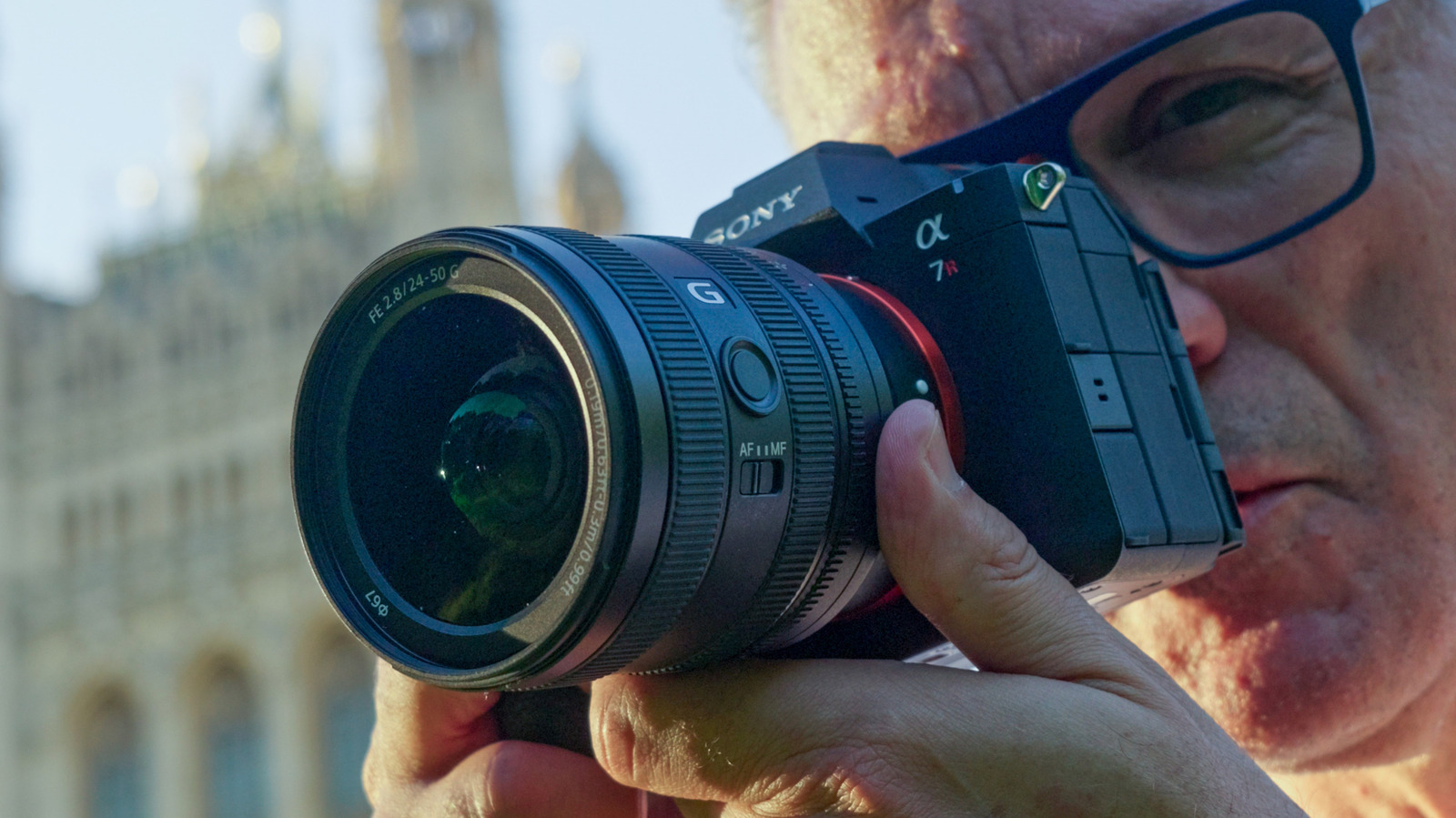
Sony's camera range can seem overwhelming at first glance, but its naming follows clear rules. All of Sony's mirrorless cameras use the Greek letter "alpha," commonly written as a capital "A." Within this lineup sit two broad categories: full-frame cameras with larger sensors, and APS-C (cropped-frame) models that are cheaper and more beginner-friendly.
Full-frame series
The A1 sits at the top as Sony's flagship for professionals, combining high resolution with fast autofocus, while the A9 line, including the latest A9 III with its "global" sensor, targets sports and news photographers. The broader A7 family splits into several branches: the standard A7 for photo and video, the high-resolution A7R for detailed images, the low-resolution but low-light-friendly A7S for video work, and the more compact A7C models, which move the viewfinder to the side of the body.
APS-C, vlogging and compact cameras
For APS-C cameras, Sony has settled on the A6x00 naming scheme over the past decade, where a higher number generally means more features and a higher price. The ZV series, launched in 2020 for vlogging, spans both compact and interchangeable-lens models and skips the electronic viewfinder in favor of video-focused features. Fixed-lens compact cameras, meanwhile, carry the "RX" designation, covering zoom, superzoom and large-sensor categories priced anywhere from roughly $1,000 to over $5,000.