Iceland heads toward referendum on reopening EU accession talks
On August 29, Icelanders will vote on whether to restart EU accession negotiations that were suspended more than a decade ago. The nation is split, with both sides framing their arguments around freedom and independence.
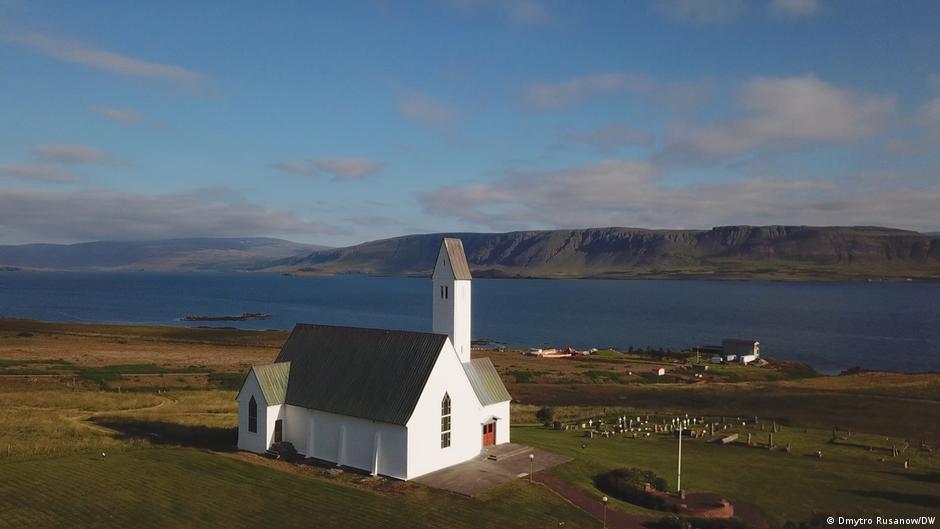
Iceland, a nation of about 400,000 people, will hold a referendum on August 29 on whether to resume negotiations to join the European Union. Talks first began in 2010 after the country's banking crisis but were suspended following a change of government and never restarted. A 'yes' vote would not mean immediate EU membership — it would only reopen accession talks, with a second referendum required before Iceland could actually join.
Two campaigns, similar language
Both supporters and opponents of closer EU ties frame their arguments around freedom, independence and sovereignty. Snaeros Sindradottir, head of the 'Yes' campaign, argues that growing geopolitical uncertainty — including US President Donald Trump's rhetoric toward Greenland — makes closer ties with Europe more appealing for security reasons, potentially reducing reliance on the United States.
On the other side, physics professor Haraldur Olafsson of the 'No' campaign argues that EU membership would mean handing over democratic control to outside decision-makers. He rejects the idea that Iceland faces any external threat, from Russia, the US or elsewhere.
Fisheries and economy at the center
The debate over Iceland's fishing industry, a pillar of its economy, has become especially emotional, with opponents fearing EU control over marine resources and supporters disputing that claim. Pawel Bartoszek, chair of parliament's foreign affairs committee, points out that Iceland's small, volatile currency drives up inflation and interest rates compared with Europe — mortgage rates in Iceland run at 8-9%, roughly double those elsewhere on the continent.
A divided nation
Opposition leader Gudrun Hafsteinsdottir warns that the debate is creating rifts within families and friendships that could take years to heal. Polls show a tight race, meaning the large number of undecided voters is likely to decide the outcome.