Estonian PM criticizes Trump–Putin deal on Russian diesel
Estonian Prime Minister Kristen Michal called the agreement between the US and Russian presidents to increase Russian diesel supplies to the global market a major mistake. He urged discussion of greater support for Ukraine.
Estonian Prime Minister Kristen Michal (Reform Party) sharply criticized on Saturday, on social media, the agreement between US President Donald Trump and Russian President Vladimir Putin to increase Russian diesel supplies to the world market. In his view, the deal runs counter to the West's long-standing policy of reducing Russia's income from energy sales, which also affects support for Ukraine in Russia's war against it.
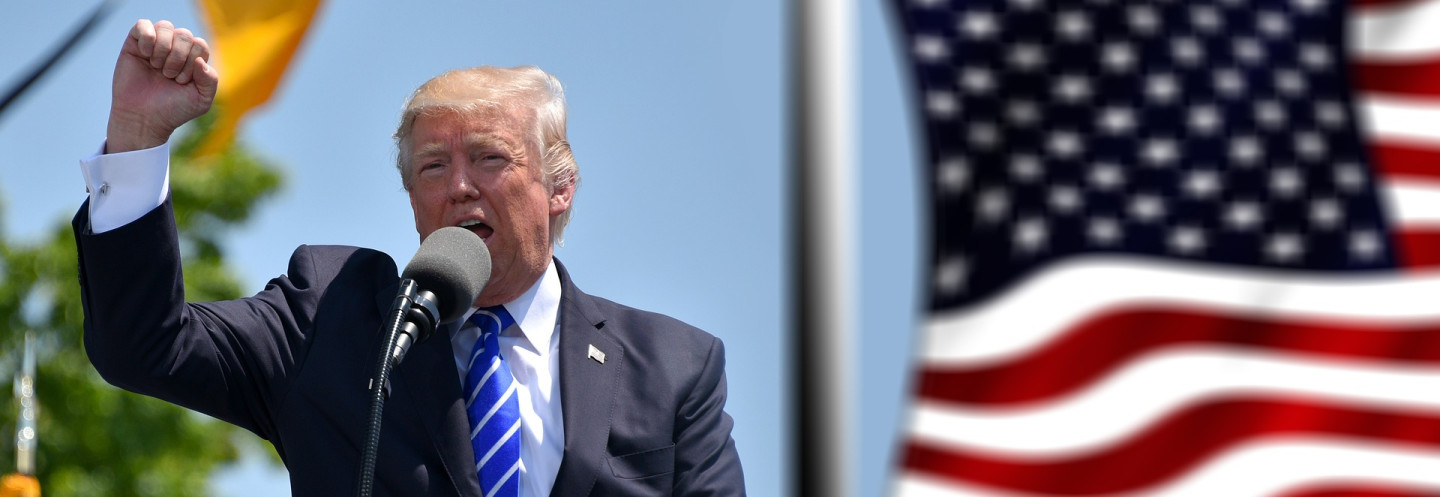
What Trump announced
On Friday, Trump said Russia had agreed to immediately supply 300,000 tonnes of diesel to the world market and several million more tonnes later. The US has issued a temporary license permitting transactions in Russian diesel until 7 April 2027.
Michal's position
Michal wrote that it was a major miscalculation, as deals with dictators are a road to hell. He argued that money from gas and fuel sales is used to kill innocent people, and that the promised fuel will quite likely never arrive. The prime minister noted that the US had previously urged allies to give up Russian fuel, and Estonia had followed that policy.
He stressed that the strategy of cutting Russia's revenues must continue. Michal believes Estonia and the European Council should discuss next week the possibility of increasing aid to Ukraine so it can strike Russian oil refineries more actively.
Mihkelson's assessment
Marko Mihkelson (Reform Party), chair of the Riigikogu (Estonian parliament) Foreign Affairs Committee, believes Trump's decision was influenced by the upcoming US midterm congressional elections in early November. He said the deal might help lower diesel prices in the US, but doubted the expected effect would be achieved. Easing pressure on Russia, in his view, signals to Moscow that aggression pays off.
Mihkelson noted that the Trump administration's efforts to bring peace to Russia's war against Ukraine have produced no results over the past six months, while fighting remains intense. He forecast that the coming weeks and months will be hard for both Ukraine and Europe.
Unity within the EU and NATO and help for Ukraine, he said, is the only approach. European allies should also explain to their American counterparts that such decisions run counter to US national interests. Mihkelson drew attention to reports that Washington is demanding Kyiv stop strikes on Russian oil refineries. If information about a threat to halt intelligence sharing with Ukraine is confirmed, it would signal to Moscow that the US does not intend to hinder the continuation of the war.