Estonian health-care unions turn to national conciliator as pay talks collapse
Estonian health-care worker unions are turning to the national conciliator after collective-agreement negotiations broke down over planned minimum wage increases. The dispute centers on a ministry decision that could redirect the pay-rise funds elsewhere in 2027.
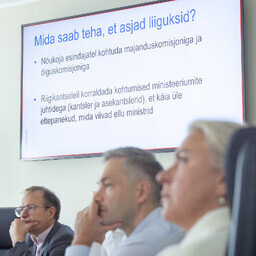
Collective-agreement negotiations in Estonia's health-care sector have ended without an outcome, prompting several worker unions to turn to the national conciliator to help resolve the dispute.
The joint appeal was signed by the Nurses Union, the Health-Care Workers' Professional Union, the Doctors' Union, the Clinical Psychologists' and Clinical Speech Therapists' Professional Union, and the Physiotherapists' Union. Their goal had been to secure minimum wage increases over the next two years that would outpace the national average growth rate.
Why talks broke down
The unions blame the collapse on a decision by Minister of Social Affairs Karmen Joller and the Health Insurance Fund to redirect, in 2027, the money earmarked for raising health-care workers' minimum wages toward balancing the Fund's own budget instead.
Estonian Nurses Union president Kätlin Lillemaa said nurses are dissatisfied with their pay. She noted that the commonly cited average wage is achieved only through extensive overtime and by working nights, weekends and holidays, and that a nursing shortage forces many to hold multiple jobs. Cancelling the planned raise, she said, signals to these workers that they are neither valued nor needed.
According to the unions, care workers' base salary is more than a third below the national average, with pay approaching the average only because of night shifts and overtime.
Wider staffing concerns
Estonia already faces a shortage of doctors, nurses and other health-care specialists. The professional unions warned that if wages fail to match workload and responsibility, even fewer workers may remain in the field.
The unions' appeal states that Joller, who also chairs the Health Insurance Fund's supervisory board, bears responsibility for the health-care system's functioning and financing, making her presence at the negotiating table essential. They said the minister nonetheless considered it unnecessary to sit at the same table as health-care workers and employers.
The Health Insurance Fund's financial forecast includes no additional funding next year for raising health-care workers' wages.