Estonia's defense industry funding for Ukraine faces transparency criticism
Estonia spends €100 million annually on defense products for Ukraine, but the criteria and companies behind the funding decisions remain undisclosed. Politicians and auditors are calling for greater transparency in the process.
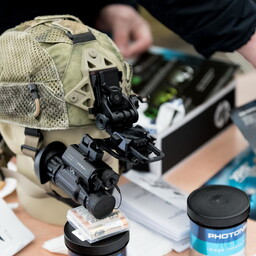
Tallinn is hosting the Defense Week trade fair for the second year, featuring numerous Estonian companies whose products have already been used in Ukraine for years. These companies decline to confirm whether the state funded their specific products, as that information is classified.
Each year, the Estonian state allocates €100 million for products proposed by local companies, deemed necessary by Ukraine, and approved jointly by the Ministry of Defense and the Estonian Center for Defense Investments. What remains unclear is the exact basis on which these approval decisions are made.
Industry and political concerns
Kalev Koidumäe, executive director of the Estonian Defense and Aerospace Industry Association, said the criteria themselves are broadly satisfactory, but the decision-making process itself is opaque — understanding it would help companies prepare for future projects.
Defense Minister Martin Herem said the ministry knows precisely what was purchased from whom and where it went, and that recent events make clear why the companies' identities are withheld. He does not currently plan to change this approach.
Urmas Reinsalu, chairman of opposition party Isamaa, argued the secrecy is no longer justified once decisions have already been made. He noted that the Riigikogu's State Budget Control Select Committee has repeatedly requested documents on fund distribution but has not received them.
Peeter Tali, chairman of the Riigikogu National Defense Committee, said the committee would examine whether funding went to companies that manufacture and test their own products in Ukraine, allowing development under wartime conditions — which was the original political intent.
The National Audit Office did not examine the transactions in detail during its recently completed audit and cannot say what grounds exist for classifying the information. Auditor Ines Metsalu-Nurminen stressed that information cannot always be classified in its entirety — the general framework and selection criteria could still be discussed publicly.
Estonia's defense industry generated €750 million in revenue last year, two-thirds of which came from exports.