Estonian commentator warns culture and higher education keep losing out to defense spending
Estonian writer Mikk Kasesalk argues that Estonia's state budget repeatedly shortchanges culture and higher education while defense spending grows rapidly, urging the government to secure adequate funding for all three pillars of national resilience.
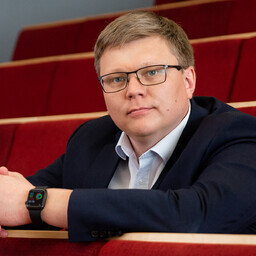
In a commentary published by ERR News, writer Mikk Kasesalk examines how the annual state budget process reveals which of Estonia's foundational beliefs the government actually prioritizes. He identifies three convictions he says have shaped Estonia's development: the need to defend the country, the belief that individual effort matters and is rewarded, and the view that culture is a cornerstone of Estonian statehood.
Broad consensus on defense
Kasesalk notes there is currently wide political agreement in Estonia on rapidly increasing defense spending, driven by security concerns tied to Russia. Defense spending is set to reach about €2.4 billion in 2026 and will account for at least 5 percent of GDP in subsequent years. However, he cautions that broad consensus on the necessity of this spending should not reduce scrutiny over how the money is actually used, referencing recent scandals in the defense sector.
Higher education faces a capacity crunch
According to the piece, negotiations this spring between the education and research minister and the Council of Rectors highlighted that the number of high school graduates in coming years will exceed available university places. An agreement signed in May commits universities to gradually add up to 1,000 study places a year over four years, while the minister pledged to find €146 million to fund them and include that commitment in the state's budget strategy. If the funding isn't secured, universities will either have to spread existing money across more students or abandon the plan for additional places.
Culture under repeated pressure to cut
Kasesalk stresses that Estonian culture has nowhere else to survive in the world if Estonians themselves do not value it, making it hard to understand why culture is repeatedly among the first areas targeted for savings when state finances worsen. The Ministry of Culture's entire annual budget is around €350 million, compared with Estonia's total 2027 state budget of roughly €20 billion. He concludes that defense, education and culture are not directly interchangeable budget items, but every budget line reflects a choice that could have been made differently.